Twenty-eight of the NFL’s 32 teams will step onto a practice field against an opponent that isn’t on their own roster this summer. The league’s 2026 joint practice schedule, announced ahead of training camp, runs from August 11 through August 27 and pairs up franchises for days of live work before they ever meet in a preseason game. The opening slate on August 11 alone sends the Dallas Cowboys to Los Angeles to face the Rams, the Indianapolis Colts to Foxborough to face the Patriots, the Tampa Bay Buccaneers to New Jersey to face the Jets, and the Tennessee Titans to Santa Clara to face the 49ers.
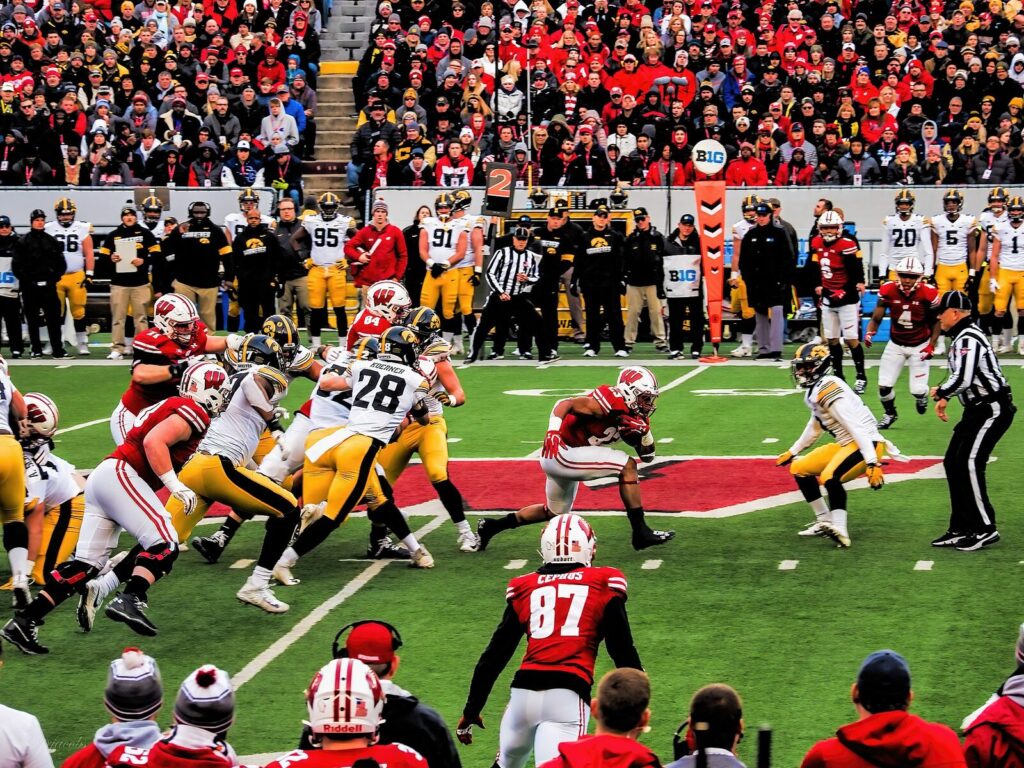
If you’ve never watched one, a joint practice looks different from a normal camp session. Two sidelines, two sets of coaches, and drills run against a defense or offense the players haven’t studied all spring. Here’s why teams bother, how the format actually works, and what tends to happen when the physicality boils over. It’s one of the more revealing storylines to track across our NFL coverage once camps open.
Why teams schedule joint practices at all
Training camp against your own teammates gets stale fast by the third week. Starters know the tendencies of the backup corner they’re lined up against, and a scout-team look is never quite the same as a real NFL opponent. Joint practices solve that by giving coaches several days of live, padded reps against unfamiliar schemes, which is far more useful evaluation material than another exhibition series where starters play a handful of snaps.
For fringe roster players, it’s arguably the best audition they get all summer. A backup receiver going against a different team’s starting cornerback for two days provides game-like tape that coaches can actually compare across the league, a benefit a closed practice at home can’t offer. It also cuts down on the number of joint-team collisions that would otherwise only happen in preseason games, letting coaches manage snap counts and rest starters heading into the regular season.
How the format actually works
Clubs are permitted up to four joint practice sessions across the preseason, and the league builds in a basic safeguard: a joint practice cannot be held the day before a preseason game, giving both rosters a buffer to come out of live work healthy. The host team typically runs the practice script and dictates the periods, from special teams work to red-zone situational drills, while the visiting team’s staff coordinates which units line up against which. Some days are full pads, others dial back to a shell period, and it’s common for two teams to hold back-to-back sessions before playing each other, the way New England is doing with Philadelphia later this month, practicing Wednesday and Thursday ahead of a Saturday preseason kickoff.
This year’s map covers a wide range of matchups beyond the marquee division and coast-to-coast pairings. Baltimore hosts Washington in Owings Mills on August 26, and Houston hosts the Raiders at its Houston Methodist Training Center on August 18, both examples of how spread out the three-week window really is. Not every team participates. Four clubs sat out the 2026 slate entirely, a reminder that joint practices remain optional, coach-driven scheduling rather than a league mandate.
What happens if a fight breaks out
Ask any beat writer who’s covered camp and they’ll tell you tempers flare almost every summer once two rosters share a field. Live 11-on-11 periods against players you don’t see every day, combined with August heat and a roster spot on the line, is a reliable recipe for scuffles. Coaches and equipment staff are stationed to jump in and separate players the moment pushing turns into swinging, and practices are occasionally shortened or ended early when things escalate past a single skirmish.
The league has shown it’s willing to punish repeat offenders financially. In August 2024, the NFL fined the Giants and Lions $200,000 apiece after multiple fights broke out across their two days of joint work, an incident that followed a league memo warning teams that fighting and unprofessional conduct at joint practices would not be tolerated. That $400,000 total is the kind of figure that gets coaches’ attention before the next round of camp battles, and it’s why most staffs now open joint sessions with a pointed reminder to their locker room about keeping things clean.
None of this replaces the broader camp process teams go through before those joint sessions even begin, from padded practices to roster evaluation drills covered in our breakdown of how NFL training camp actually works. Joint practices sit inside that larger window, but they carry their own rules, their own risks, and their own value that a standard camp day back home simply can’t replicate. The players who show well in these sessions, and stay out of the fights, often carry that momentum into the roster decisions that follow when teams reach cutdown day in late August.