No annual event in global media commands attention like the Super Bowl. More than one hundred million viewers in the United States alone, advertising rates that exceed seven million dollars for thirty seconds, and a halftime show that functions as a cultural event in its own right. Behind that spectacle sits one of the most carefully engineered commercial arrangements in sport: the rotation of broadcast rights among the league’s network partners.
The NFL’s current media agreements, worth well over one hundred billion dollars across their full term, distribute the Super Bowl on a rotating basis among the major rights holders. Each network’s turn hosting the game anchors its entire year of advertising sales and programming promotion. A Super Bowl broadcast is less a single telecast than a quarter-long commercial campaign for the network itself, used to launch new shows and lock in upfront advertising commitments.
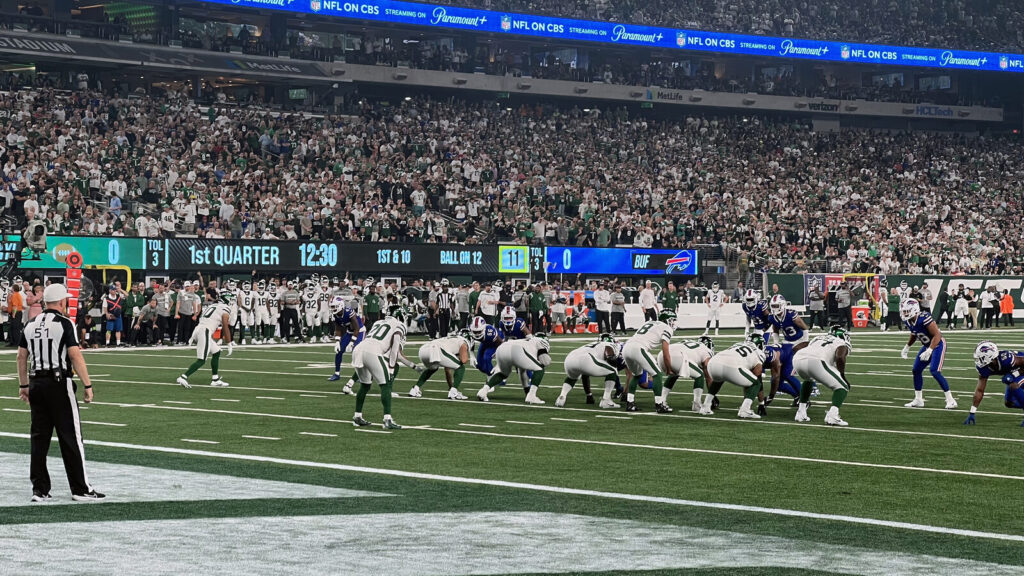
Streaming has complicated the picture in instructive ways. The league has deliberately seeded games across digital platforms, and the first streaming-exclusive playoff broadcasts drew both record sign-ups and pointed criticism from viewers accustomed to free-to-air access. The Super Bowl itself remains on broadcast television, a decision that reflects political reality as much as commercial strategy, since no property attracts regulatory attention faster than the year’s most-watched event.
Advertising economics around the game have evolved beyond the famous thirty-second spot. Brands now build months-long campaigns that tease, premiere and extend their Super Bowl creative across social platforms, and measurement firms estimate the digital halo can double the effective value of the airtime. For some advertisers, the conversation generated by a spot matters more than the broadcast exposure itself.
International distribution is the next frontier. The league has invested heavily in overseas games and localised coverage, and the Super Bowl now airs in more than one hundred and eighty markets. Executives openly discuss the gap between domestic and international revenue as the largest growth opportunity in American sport, which explains the steady expansion of games staged in London, Frankfurt, Madrid and beyond.
For the broader industry, the Super Bowl functions as a pricing benchmark. Every other rights negotiation in world sport happens in its shadow, because it demonstrates what live, exclusive, appointment viewing is worth in a fragmented media age. As long as that scarcity holds, the game will remain not just an American ritual but the financial reference point for global sport.