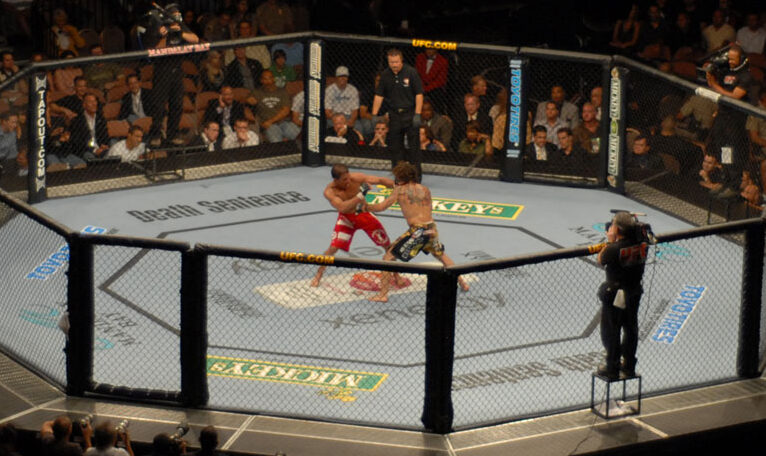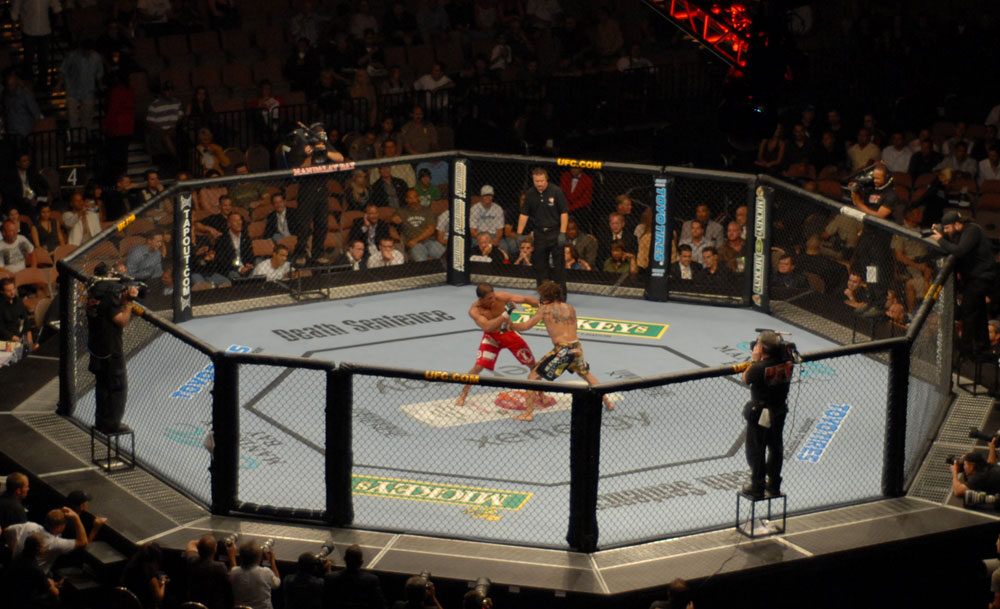
UFC fighters cut weight because the sport hands a real edge to whoever is bigger once the cage door closes. A fighter who dehydrates down to make a lower division limit, then rehydrates over the next 24 to 36 hours, can show up to fight 15 to 20 pounds heavier than the number that appeared on the scale a day earlier. That gap in size against an opponent who cut less aggressively is the entire point, and it is why the ritual has become close to universal on UFC fight week despite the physical toll it takes.
How the Cut Actually Works
Weight cutting happens in two distinct phases. In the weeks before a fight, a fighter trims body fat through diet and training, the same way any athlete would manage weight. The dramatic part comes in the final 24 to 48 hours before the official weigh-in, when fighters restrict water and sodium, sit in saunas or hot baths, and sometimes wear sweat suits to strip fluid the body is holding in muscle tissue and the gut. That acute phase is where most of the scale number actually moves, and it is also where things can go wrong fast.
Why the Weigh-In Happens the Day Before, Not on Fight Night
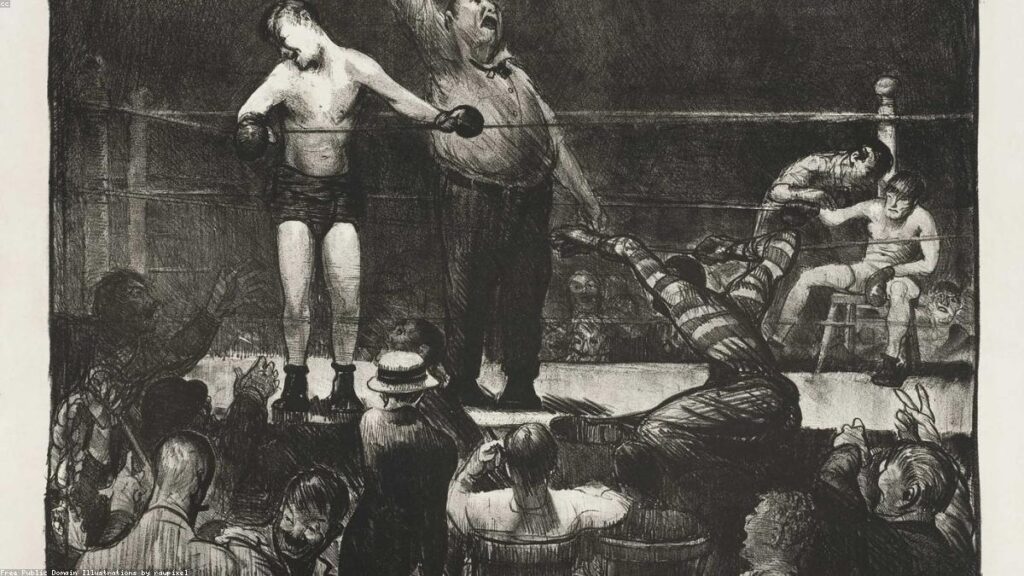
UFC weigh-ins take place the day before the bout, with fighters required to step on the scale between 9 and 11 a.m. local time, according to the UFC’s own explanation of its weight class and weigh-in system. Non-title fighters get a one-pound allowance above their division limit; title challengers must hit the number exactly, a rule that cost Charles Oliveira the vacant lightweight title at UFC 274. He missed weight by half a pound, was stripped of the belt before the fight even started, and stayed ineligible to reclaim it despite winning that night by submission. The day-before format traces back to boxing, which built in that gap decades ago specifically so fighters would have time to rehydrate before taking punches, rather than fighting the same day they dried themselves out. Most professional combat sports, boxing included, still use it. For more on how a different combat sport manages its own version of this problem, see how boxing weight classes work.
How Much Weight Actually Comes Off, and Goes Back On
The numbers are bigger than most fans assume. Research tracking 133 professional female UFC fighters found they lost between 4.5 and 6.6 percent of their body weight heading into weigh-ins, with the sharpest drop, an average of 6.6 percent, showing up around the 72-hour mark before the scale. What happens next is the more striking figure: fighters regained roughly 9.5 percent of their body weight in the day between weigh-in and fight time, meaning many walked into the cage heavier than they were even before the cut began. That whiplash, draining the body and then flooding it again, defines a modern weight cut far more than the diet that precedes it.
Why the Practice Still Worries Doctors
The UFC’s own Performance Institute has stated that a fighter can effectively and safely lose 10 percent of body mass during fight week, provided the loss is spread across gut content, glycogen stores and water rather than dehydration alone. Even the institute draws a hard line on the water portion specifically: “Pushing this amount to four to five percent is a reasonable amount in a weight cut, but beyond this, dehydration becomes difficult and dangerous.” That caution exists because the World Health Organization classifies 10 percent dehydration as life-threatening, and MMA has recorded fatal cases tied to extreme cuts, including Chinese fighter Yang Jian Bing, who died of heart failure in 2015 while dehydrating for a bout. Cases like his are part of why commissions keep tightening oversight of fight week rather than loosening it. The size advantage a hard cut buys can also shape how a fight looks once it starts, which ties back to how UFC judges actually score a fight. Until the sport finds a way to reward skill without also rewarding whoever survives the harshest cut, fighters will keep starving and dehydrating themselves down to a number, then racing to undo it before the bell rings.