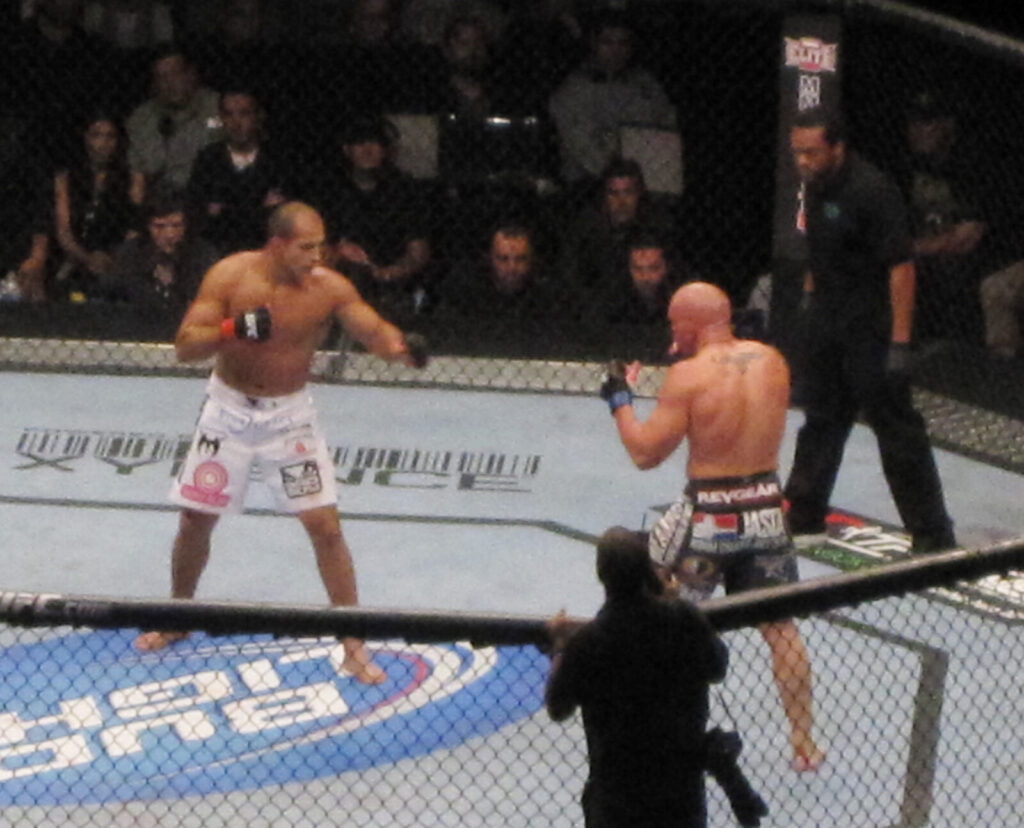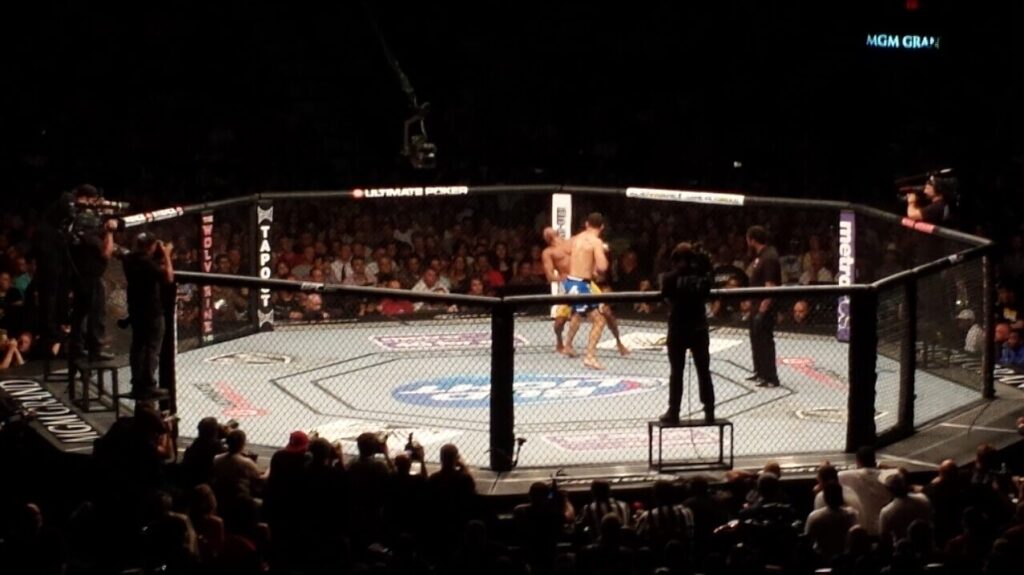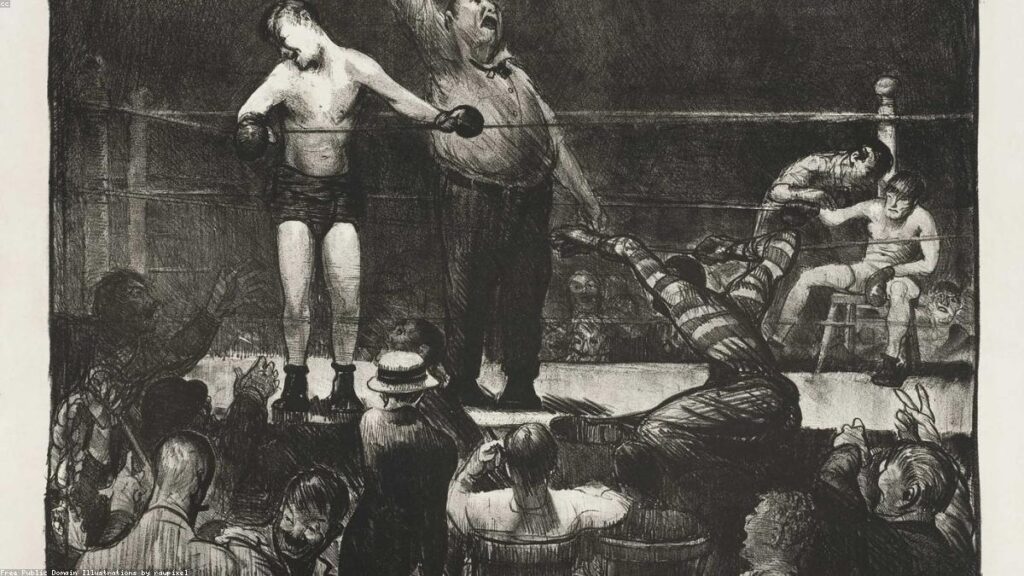
To an outsider, boxing and mixed martial arts can look like neighbouring rooms in the same house: two combatants, a referee, a roaring crowd. But the audiences that follow each sport, and the businesses built to serve them, have grown apart in striking ways. Understanding the differences explains a great deal about why each sport promotes, prices and broadcasts the way it does.
Two fan bases, two centres of gravity
The conventional wisdom holds that MMA skews young while boxing skews old, and like most conventional wisdom it is partly true and partly lazy. Audience research suggests the UFC‘s fan base is concentrated heavily among viewers in their mid-twenties to mid-forties, with millennials forming the largest single bloc, and the audience remains predominantly male. Boxing’s following is broader and more diffuse: it retains a large older audience built across decades of network and premium-cable history, but it also draws substantial younger viewership, particularly around major events and crossover spectacles.
The more meaningful distinction may be geographic and cultural rather than generational. Boxing’s strongholds map onto deep national traditions: Mexico and the Mexican-American audience in the United States, the United Kingdom and Ireland, Japan, Eastern Europe. A major fight involving a Mexican star is a cultural event that reaches well beyond regular fight fans. MMA’s audience, by contrast, grew up with the UFC brand itself, which functions more like a league: fans follow the organisation and its rankings, not just individual stars. That structural difference shapes everything downstream.
League versus promoter: the business divide
The UFC operates as a single dominant promotion. It controls matchmaking, rankings, media rights and fighter contracts under one roof, which lets it guarantee a steady calendar of events and sell that calendar to a media partner as a package. The result, as of 2026, is a seven-year U.S. rights agreement with Paramount reported at $7.7 billion, covering 13 numbered events and 30 Fight Nights a year on Paramount+ with select cards on CBS, and ending the promotion’s reliance on per-event pricing in the process.
Boxing has no equivalent central authority. It is a patchwork of promoters, sanctioning bodies and broadcasters, which historically made the biggest fights hard to make and pushed the sport toward an event-by-event economy: each marquee bout negotiated, priced and sold individually. That fragmentation is exactly what recent disruption has targeted. Saudi Arabia’s Riyadh Season programme, under General Entertainment Authority chairman Turki Alalshikh, has used centralised funding to assemble fights the fractured market could not, and in 2025 Alalshikh and DAZN announced that Riyadh Season and The Ring events would move away from per-event pricing for subscribers, with Alalshikh stating bluntly that the old model had damaged the sport. The broader migration of premium fights onto subscription platforms is part of the same story we cover in how streaming platforms are changing sports broadcasting.
Crossover events: where the audiences meet
The clearest evidence that these are distinct audiences comes from the events engineered to merge them. The 2017 boxing match between Floyd Mayweather Jr. and UFC star Conor McGregor generated roughly 4.3 million domestic pay-per-view purchases and more than $600 million in revenue, according to ESPN, numbers neither sport’s core audience could have produced alone. It worked precisely because it imported MMA’s biggest personality into boxing’s biggest stage.
The streaming era has produced its own crossover spectacles. Netflix’s November 2024 event headlined by Jake Paul and Mike Tyson drew what the platform reported as 108 million global viewers, with the Katie Taylor versus Amanda Serrano co-feature becoming the most-watched professional women’s sporting event in U.S. history at roughly 50 million households. Less than a year later, Netflix streamed Terence Crawford’s victory over Saul “Canelo” Alvarez to a reported 41 million-plus viewers worldwide at no extra cost to subscribers. These events drew enormous audiences of people who are not weekly fight watchers, which is both their commercial point and the source of purist grumbling. The role of influencer-led events in pulling new demographics toward the ring connects to a wider pattern explored in how new content formats are creating new sports fans.
What each sport can learn from the other
MMA’s structural advantage is consistency. A UFC fan knows there is an event most weekends, knows where to watch it, and trusts that champions will face contenders. Boxing’s advantage is scale at the top: when the sport gets a fight right, it produces cultural moments and audience peaks that MMA has rarely matched, because boxing’s biggest nights reach far beyond its regular base.
The two models are now visibly converging. Boxing’s new power brokers are borrowing the league logic of centralised matchmaking and subscription distribution, while the UFC, through parent company TKO, has moved into boxing promotion itself. Fighters in both sports, meanwhile, increasingly understand that their personal audience is an asset independent of any promotion, a theme we examine in how fighters build personal brands outside the arena. The economics underneath all of it, from premium pricing to streaming bundles, are unpacked further in our look at the business of pay-per-view in combat sports.
Boxing and MMA will keep borrowing each other’s stars, formats and fans. But the audiences remain distinct enough that promoters ignore the differences at their peril: one sport sells a league, the other sells lightning in a bottle, and the smartest operators in combat sports are the ones who know exactly which product they are holding.