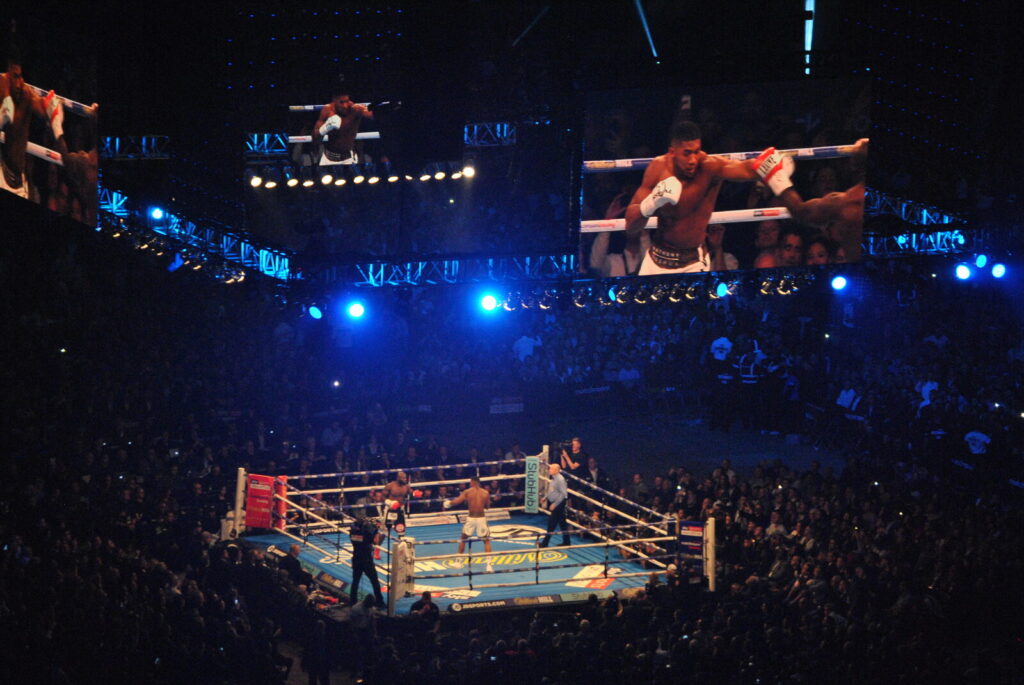
For half a century, combat sports ran on a simple, brutal piece of economics: if you wanted to watch the biggest fight in the world, you paid for that night specifically. Pay-per-view turned single events into nine-figure businesses, made fighters the highest-paid athletes on the planet for one evening at a time, and shaped how boxing and mixed martial arts were promoted, scheduled and sold. And now, with remarkable speed, the industry that perfected the model is walking away from it.
How the model worked
The mechanics were straightforward. A promoter staged an event and sold it through television distributors and, later, streaming apps at a premium price, often somewhere between $60 and $90 for marquee cards in recent years. Revenue was split among the distributor, the promoter and, in boxing, the headline fighters, whose purses were frequently tied directly to how many homes purchased the broadcast. The structure had a clarifying logic: the fight had to be worth paying for, so promoters concentrated star power and stakes into single nights, and fighters with genuine drawing power captured enormous paydays.
The record book shows the ceiling. Floyd Mayweather Jr. versus Manny Pacquiao in 2015 sold roughly 4.6 million pay-per-view units in the United States and generated more than $600 million, making it the highest-grossing single event in the model’s history. Mayweather’s 2017 crossover bout with Conor McGregor reached about 4.3 million domestic purchases, according to ESPN. On the MMA side, UFC 229 in 2018, headlined by Khabib Nurmagomedov and McGregor, set the promotion’s all-time mark at roughly 2.4 million purchases, the only UFC event reported to clear two million.
But the model carried built-in problems. High prices pushed casual fans away and encouraged piracy on a massive scale. Revenue was volatile, hostage to injuries, failed negotiations and the simple scarcity of true superstars. And because each event was a separate transaction, the sport struggled to convert a big night’s audience into sustained engagement. Boxing felt this most acutely: with the sport split among rival promoters and broadcasters, the biggest fights often took years to make, and fans were asked to pay premium prices for undercards that did not justify them.
The streaming turn
What killed the golden goose was not piracy but a better business model. Streaming platforms value subscribers, retention and engagement, not one-night transactions, and they have proven willing to pay enormous guaranteed sums for content that drives sign-ups. For promoters, a fixed annual rights fee beats the volatility of per-event sales; for platforms, a marquee fight is a subscriber-acquisition weapon.
The decisive move came in August 2025, when the UFC and Paramount announced a seven-year U.S. media rights agreement reported at $7.7 billion, an average of about $1.1 billion a year. Starting in 2026, all 13 annual numbered events and 30 Fight Nights stream on Paramount+ as part of the standard subscription, with select events simulcast on CBS, ending the UFC’s per-event pricing in the United States entirely. After decades in which the numbered event purchase was the heartbeat of MMA economics, the promotion simply switched it off. The deal is one of the clearest examples yet of the trend we track in how streaming platforms are changing sports broadcasting.
Boxing is moving the same direction from a different starting point. Netflix staged the Jake Paul versus Mike Tyson event in November 2024 at no extra charge to subscribers and reported 108 million global viewers; in September 2025 it streamed Terence Crawford’s win over Canelo Alvarez to a reported 41 million-plus worldwide. In 2025, Turki Alalshikh, the Saudi official behind the Riyadh Season fight series, announced with DAZN that Riyadh Season and The Ring events would drop per-event pricing for subscribers, declaring that the model had damaged boxing. Audience numbers in the tens of millions, against the low single-digit millions of even record-setting priced events, make the strategic logic hard to argue with.
What gets gained, and what gets lost
For fans, the shift is an obvious win in the short term: events that recently cost $80 now arrive inside a subscription costing a fraction of that per month. For the sports, the bigger prize is reach. A fight available to a platform’s entire base can draw ten times the audience of a premium-priced one, which compounds into bigger stars, stronger sponsorship and a wider funnel of new fans. Sponsors, in turn, are increasingly paying for measurable engagement rather than raw exposure, a dynamic explored in how sponsorship deals are becoming data-driven.
The losses are subtler. Per-event pricing gave fighters a direct share of the demand they personally created; a flat rights fee redirects that upside to the promotion and the platform, and how athlete pay adapts inside the new structure is one of the great unresolved questions in combat sports. There is also a scarcity argument: when every event is equally accessible, promoters must work harder to make any single night feel essential, which is partly why fight-week promotion has become so elaborate, as we detail in our look at UFC event week.
The economics of premium live events are converging across sports; the forces reshaping fight distribution are cousins of those behind the business of Super Bowl media rights. Pay-per-view will likely survive at the margins, for one-off spectacles and markets the big platforms have not bundled. But as the engine of combat sports economics, its era is ending, not because it stopped making money, but because someone found a way to make more.