By the time the cage door closes on a Saturday night, the UFC has already been competing for a week. Not in the octagon, but for attention. Fight week is one of the most refined promotional machines in modern sport, a tightly sequenced run of press conferences, behind-the-scenes video, media days and weigh-ins designed to convert casual curiosity into appointment viewing. Other leagues sell a season; the UFC sells a single night, over and over again, and the architecture it has built to do that is worth studying on its own terms.
The stakes of getting this right have never been higher. Beginning in 2026, the UFC’s full slate of events moved to Paramount under a seven-year media rights agreement reported at $7.7 billion, bringing 13 numbered events and 30 Fight Nights annually to Paramount+ with select cards simulcast on CBS. When every marquee event is included in a standard streaming subscription rather than sold one at a time, the promotion’s job shifts from convincing fans to make a purchase to convincing them to show up. Fight week is how it does that.
The press conference as theatre
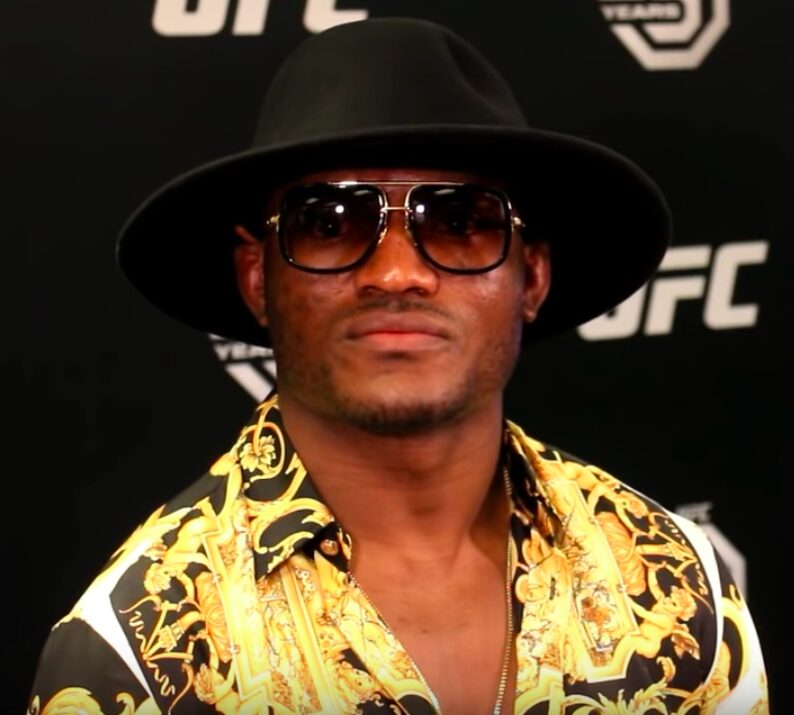
The pre-fight press conference is the oldest tool in the combat sports kit, and the UFC has industrialised it. What was once a perfunctory media availability is now a staged event in its own right: ticketed, streamed live, clipped within minutes and circulated across every platform the promotion touches. The face-off photo at the end is engineered to be the image that travels.
The format works because it manufactures narrative. A fight, on paper, is two athletes and a date. A press conference turns it into a story with stakes, history and friction. Reporters get their questions in, but the real audience is at home, and the fighters know it. The best talkers understand that a single memorable exchange can do more for an event than weeks of conventional advertising, and the promotion edits and distributes accordingly. The way these moments ripple outward through clips and reaction posts is part of a broader shift in how fans follow live sport through social media, where the conversation around an event often starts days before the event itself.
Embedded: the documentary as advertisement
UFC Embedded, the promotion’s fight-week video series, may be its most quietly effective invention. Released episode by episode in the days before a major card, Embedded follows fighters through travel, training, media obligations and the small rituals of the final week. It is shot and cut like a documentary, but it functions as serialised promotion: each episode deepens the viewer’s investment in the people fighting on Saturday.
The genius of the format is that it humanises both fighters at once. A press conference tends to produce a hero and a villain; Embedded produces two protagonists, which means viewers have a reason to care about the outcome no matter who they favour. It belongs to the same family of storytelling that has powered the documentary boom that is driving new fans to sport more broadly: access, intimacy and narrative doing the work that a poster never could.
The series also gives the promotion control of its own framing. Rather than depending on outside media to decide which storylines matter, the UFC publishes its preferred narrative directly to fans, in a format they actively seek out. Few other sports properties have a first-party content vehicle this effective in the final days before their biggest moments.
Weigh-ins and the rhythm of the week
Fight week runs on a deliberate rhythm. Media day early in the week generates the first wave of quotes and clips. The press conference, typically two days out, supplies the confrontation. Then come the weigh-ins, split into two distinct events: the official weigh-in, usually a morning formality where athletes make their contracted weight, and the ceremonial weigh-in, a staged evening show in front of fans, complete with final face-offs.
The ceremonial weigh-in is pure promotion, and fans love it for exactly that reason. It is free or cheap to attend, it photographs beautifully, and it delivers one last jolt of anticipation roughly 24 hours before the fights begin. For major events the promotion has expanded the concept into full fan festivals with athlete appearances, entertainment and interactive experiences, turning the host city itself into part of the marketing.
The scale this machinery can reach was on display in June 2026, when the UFC staged an event on the South Lawn of the White House to mark the 250th anniversary of the Declaration of Independence, the first professional sporting event held on the grounds. The fight-week apparatus scaled up with it: a press conference staged in front of the Lincoln Memorial, weigh-ins at the Ellipse, and Embedded episodes documenting it all. Whatever one makes of the spectacle, it demonstrated that the promotional template is flexible enough to wrap around almost any stage.
Why the playbook travels
The deeper lesson of UFC fight week is that the promotion treats marketing as content rather than interruption. Fans do not tolerate the press conference, the weigh-in and Embedded; they consume them eagerly, share them and debate them. Every piece of the promotional week is itself entertainment, which means the marketing budget effectively produces programming.
That approach is increasingly the model across sport. Leagues and teams everywhere are learning that building a global digital audience requires giving fans a continuous story, not just a fixture list. And as live rights migrate to subscription platforms, where the goal is engagement rather than one-off transactions, the value of a promotional machine that generates seven days of programming around three hours of competition only grows. The economics of that shift, including the UFC’s own move away from a la carte pricing, are reshaping how streaming platforms approach sports broadcasting across the board.
Combat sports have always depended on selling the fight before the fight. What the UFC has done is systematise it: a repeatable weekly structure, owned media channels, and a clear understanding that anticipation is a product. For a deeper look at how the money behind these events works, see our companion piece on the business of pay-per-view in combat sports.