Newcastle United’s front of shirt has a new name on it, and so does Everton’s, with both announcements landing within weeks of each other this summer. That timing reignites a question fans ask every time a new kit lands in the club shop: how much do Premier League shirt sponsors actually pay for that space above the badge?
The short answer is that the numbers vary enormously, stretching from tens of millions of pounds at the very top of the league down to far smaller sums at clubs still building their commercial books. Newcastle and Everton sit in an interesting middle tier, and their new agreements offer a genuinely current snapshot of what an established Premier League club can extract from the sponsorship market heading into 2026-27.
Newcastle’s Knox Hydrate deal replaces Sela
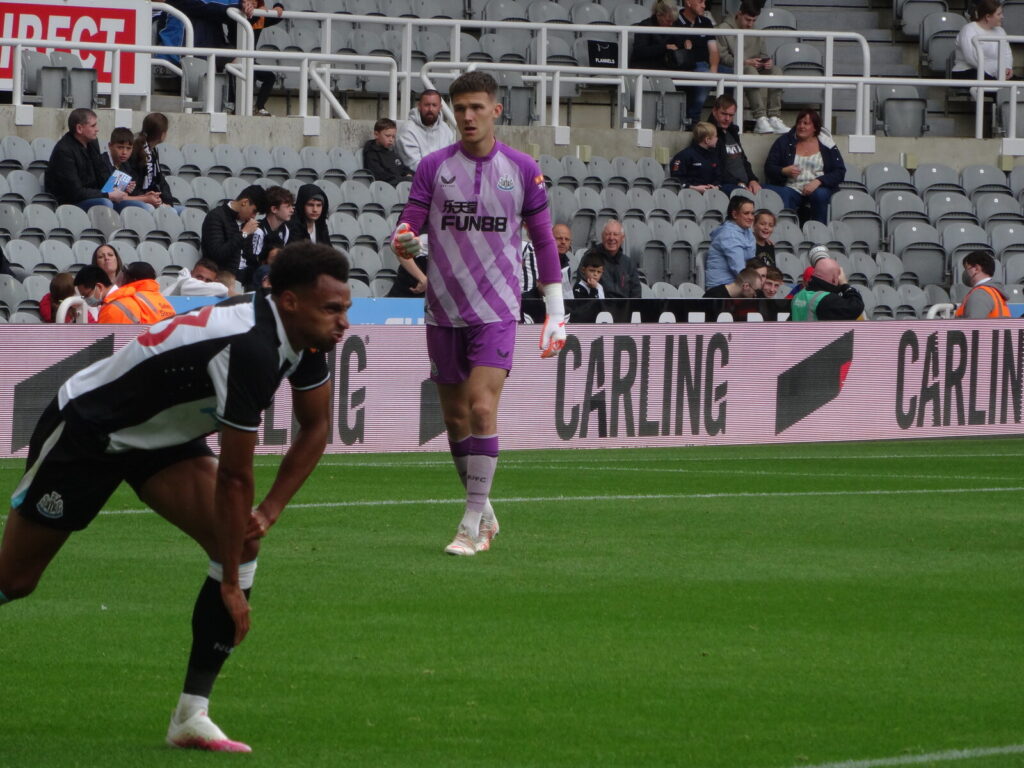
Newcastle agreed a three year front-of-shirt partnership with Knox Hydrate, the sports drinks company, after their previous deal with Sela came to an end this summer. Reporting on the financial terms of the agreement suggests the total package is worth roughly £80 million across three seasons once training ground naming rights are folded in, with the shirt sponsorship element alone put closer to £60 million over the same period. The payment schedule is unusually back-loaded. The 2026-27 season is reportedly worth up to £10 million, a lower opening figure because the new home kit went on sale before a sponsor had been confirmed, before the fee climbs to as much as £25 million a year for the final two seasons, plus performance bonuses tied to results and Champions League qualification.
Everton swaps Stake for CMC Markets at the front
Everton’s front-of-shirt change happened for a different reason. The Premier League’s ban on front-of-shirt gambling advertising, which takes full effect from 2026-27, pushed Stake off the front of Everton’s jersey after four seasons as the club’s main partner. Stake has not left the club altogether, shifting instead to a sleeve sponsorship arrangement. CMC Markets, the financial trading firm, now takes the prime spot in a deal reported to sit somewhere in the £25 million to £30 million a year range, a package that also covers the women’s and academy sides plus branding around the Hill Dickinson Stadium and the Finch Farm training base.
Where the new deals rank against the Premier League’s biggest
Both new deals look sizeable until they are placed next to the numbers at English football’s traditional financial powers. Manchester City’s long-running agreement with Etihad Airways remains the league’s most valuable front-of-shirt deal at roughly £67.5 million a year. Manchester United’s newer partnership with chipmaker Snapdragon sits close to £60 million annually. Arsenal’s Emirates deal, one of the longest-standing sponsorships in English football, is worth around £50 million a season, and Liverpool’s arrangement with Standard Chartered lands in similar territory. Tottenham’s agreement with insurer AIA comes in lower again at roughly £40 million a year. Chelsea show just how unpredictable this market can be, having gone entire seasons with a blank shirt front rather than accept an offer below their own valuation of the asset.
Set against that top tier, Everton’s reported ceiling of £25 million to £30 million with CMC Markets and Newcastle’s climb toward £25 million a year with Knox Hydrate in the deal’s later seasons place both clubs in a genuine second tier of Premier League commercial income. That puts them well clear of the smallest clubs in the division, yet still a considerable distance behind the four biggest sponsorship earners in the league.
Shirt sponsor versus jersey patch: not the same money
It is worth being precise about what is actually being measured here. A front-of-shirt sponsorship is the primary, most visible commercial partnership a club sells, a different asset entirely from jersey patch sponsorship deals, which cover a smaller secondary badge and typically carry a fraction of the value discussed here. Confusing the two undersells how much clubs actually earn from their biggest single commercial asset. Sponsorship totals like these also sit alongside other revenue streams that shape a club’s overall spending power, including the money that moves through the Premier League’s transfer market, where shirt income increasingly helps fund squad building under profitability rules.
For clubs like Newcastle and Everton, front-of-shirt income functions as a lever that helps determine what a manager can spend in the transfer window, how academy facilities get funded, and how competitive a mid-table club can stay against rivals with far larger broadcast and prize money income. The 2026-27 season will be the first real test of whether Knox Hydrate and CMC Markets can push either club’s commercial numbers closer to the figures already commanded by the league’s established giants.