Nine years ago, no American pro sports jersey carried a corporate logo on the front. Today, more than a quarter-billion dollars a year changes hands for a patch the size of a coaster. So what is a jersey patch sponsorship, and how did a small square of fabric become one of sports business’s fastest-growing revenue lines?
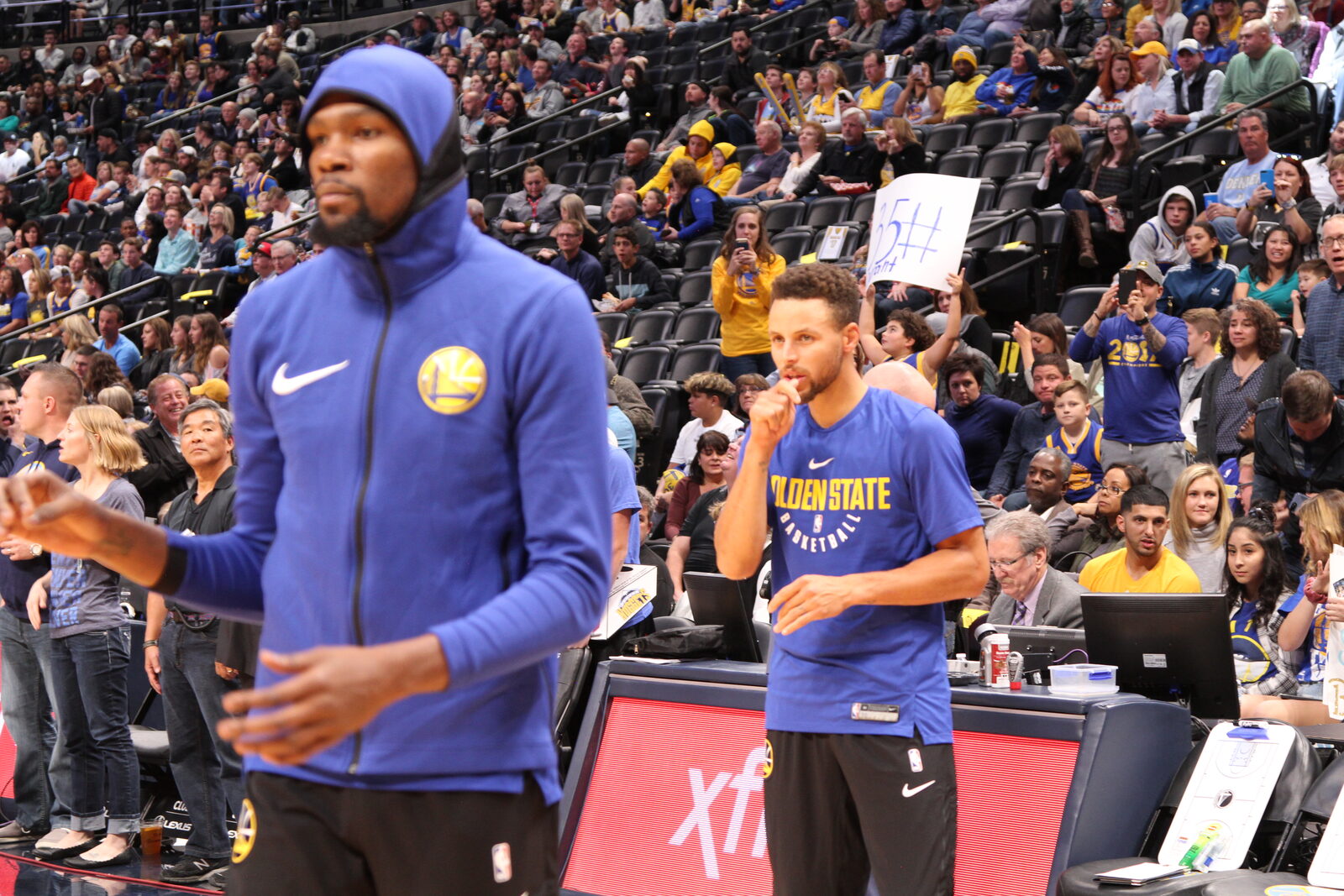
A jersey patch sponsorship is a paid advertising placement, typically a 2.5-inch by 2.5-inch logo, stitched onto the front of a game uniform without interfering with the team’s own kit maker branding. It differs from stadium naming rights, which sell the building rather than the body, and from a soccer jersey’s primary kit sponsor, which usually covers the whole chest. Patches are smaller, more discreet, and sold team by team rather than league-wide.
Which leagues allow them
The NBA got there first. On April 15, 2016, the league’s Board of Governors approved a three-year pilot program letting all 30 teams sell a patch on the front left of the jersey, opposite the Nike swoosh, beginning with the 2017-18 season. “Jersey sponsorships provide deeper engagement with partners looking to build a unique association with our teams and the additional investment will help grow the game in exciting new ways,” NBA Commissioner Adam Silver said at the time. The trial was never rolled back. Nine years later it is simply how the league does business.
The WNBA and MLS have their own patch programs, and MLB has experimented with sleeve patches rather than the chest. College sports are the newest frontier. Conferences like the SEC and the new-look Pac-12 have already added jersey patch programs for member schools, and the BIG EAST joined that list on July 16, 2026, when DePaul Athletics announced Chicago-based e-commerce company Desert Cactus as its first-ever jersey patch sponsor. The multiyear deal puts Desert Cactus’s mark on DePaul men’s basketball uniforms starting in the 2026-27 season, making the Blue Demons the conference’s patch pioneers.
Playfly Sports brokered the DePaul deal, with CSMG advising Desert Cactus. “As we considered adding a sponsor patch to our jerseys, we knew the decision had to be thoughtful and rooted in shared values,” DePaul Senior Vice President and Director of Athletics DeWayne Peevy said in the school’s announcement. “…This is far more than a logo on a jersey. It is a year-round partnership built around product innovation, fan engagement and creating meaningful value for both organizations.” Playfly Sports Properties president Christy Hedgpeth noted her group has now brokered the first jersey patch partnership in three conferences: the SEC, the new Pac-12, and now the BIG EAST.
What these deals are actually worth
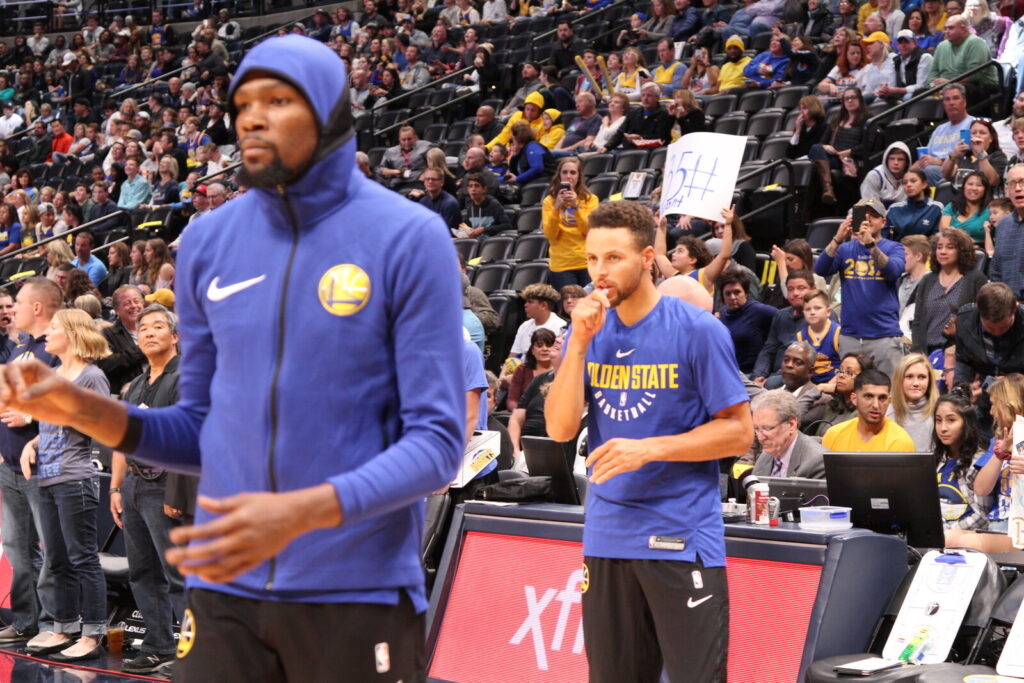
Dollar figures vary enormously depending on market size and how many eyeballs a broadcast draws. When the Golden State Warriors signed the NBA’s first marquee patch deal with Japanese e-commerce firm Rakuten in September 2017, it was reported as a record $20 million a year over three seasons, roughly $60 million total, double the Cleveland Cavaliers’ contemporaneous patch deal with Goodyear.
Fast forward to the 2024-25 season and the rate has climbed further. According to GlobalData, 27 of the NBA’s 30 teams carried a patch sponsor that season, generating a combined $285.8 million league-wide, an average of roughly $10.6 million per team. The New York Knicks’ deal with Experience Abu Dhabi tops the league at $30 million a year, with the Brooklyn Nets close behind at $20 million. Line those numbers up and the trend is obvious: the Warriors’ 2017 record of $20 million a year has already been topped, the per-team average has grown well past what most teams earned in year one, and patches now cover nine of every ten NBA jerseys, up from roughly half in that 2017 debut season.
Why teams and schools keep signing on
For teams, the appeal is incremental revenue that does not require a new stadium deal or a ticket price hike. For sponsors, it buys a season-long presence on television, in arena tunnels, and on every retail jersey a fan buys, a different exposure profile than the single stadium naming rights contracts covered in Playbook Wire’s ranking of the biggest stadium naming rights deals. Patches are cheaper to buy into and easier to swap out when a contract ends, which makes them attractive to regional brands, not just global giants.
That is the pitch behind the DePaul-Desert Cactus arrangement. Desert Cactus gets a testing ground for new merchandise at DePaul’s Lincoln Park and Loop campus bookstores and inside Wintrust Arena, alongside the jersey placement. “Desert Cactus was built right here in the Chicago area, and it brings us immense pride to bring that hometown spirit onto the court with DePaul,” said Joe Stefani, the company’s co-founder and president.
Whether the next expansion comes from more college conferences, the NFL finally dropping its resistance to patches, or another wave of NBA renewals at higher prices, the trajectory of the last nine years points one direction. A marketing tool the NBA treated as a cautious three-year experiment in 2016 is now a permanent fixture that other leagues and now entire conferences are racing to copy.