Wimbledon prize money hit a new record in 2026, and the numbers behind Jannik Sinner’s and Linda Nosková’s title runs show exactly why. The All England Club paid out £64.2 million across the Championships this year, a 20 percent jump from 2025, with Sinner and Nosková each collecting £3.6 million for winning the singles titles. For a tournament that began as a modest garden-party event more than a century ago, that scale of money says a lot about where tennis economics stand today.
Sinner defended his men’s singles crown, beating Alexander Zverev 6-7(7-9), 7-6(7-2), 6-3, 6-4 in a final that swung on a handful of points, a result confirmed by the tournament’s official Gentlemen’s Singles draw sheet. It was his second Wimbledon title and fifth Grand Slam overall. “I never take things for granted,” Sinner said after retaining his crown. Nosková, only 21, claimed her first major title by beating Karolína Muchová 6-2, 5-7, 6-3, becoming the youngest Wimbledon women’s champion since Petra Kvitová in 2011.
How Wimbledon Prize Money Breaks Down By Round
Wimbledon does not just pay the champion and move on. Every player who steps onto a match court earns something, and the amounts scale steeply the deeper a run goes. According to the All England Club’s own figures, published through the LTA, the runner-up in each singles draw takes home £1.8 million, exactly half of the champion’s purse. A semifinal finish is worth £900,000, a quarterfinal exit £480,000, and losing in the fourth round still pays £300,000. Third-round losers collect £185,000, second-round losers £126,000, and even a first-round exit is worth £80,000, a 21 percent rise on last year’s opening-round figure. Qualifying rounds pay separately and far less, starting at £20,000 for a first-round qualifying loss and climbing to £50,000 for reaching the main draw through qualifying’s final round.
Why This Year’s Jump Was So Large
The £10.7 million uplift is the biggest single-year increase in the tournament’s history, and it did not happen by accident. Equal prize money for men and women has been standard at Wimbledon since 2007, so both singles draws received an identical bump, moving the champion’s check from £3 million in 2025 to £3.6 million now. Qualifying players benefited too, with total qualifying prize money climbing 25 percent to £6.2 million. That detail carries weight because qualifiers are usually the lowest-ranked, lowest-paid players competing at the Championships, and a below-the-radar raise for them says as much about the tournament’s priorities as the headline champion figure does.
A Decade of Growing Purses
Stretch the timeline back further and the growth compounds fast. Wimbledon’s total prize pool sat at roughly £44.7 million in 2023. Three years later it has reached £64.2 million, a rise of about 44 percent. That pace far outstrips general UK inflation over the same period, and it reflects how much broadcast and sponsorship income has reshaped tennis economics this decade. Broadcast reach still drives most of that revenue. Big live sporting events command huge global audiences, as Playbook Wire found when ranking the most-watched sporting events in TV history, and Wimbledon’s own summer broadcasts in the UK are a smaller-scale version of that same pull. Rising media rights fees, alongside sponsorship growth, are what let the All England Club keep raising purses at this rate.
Analytics has become central to how fans and broadcasters understand modern sport, a shift Playbook Wire covered in its beginners guide to sports analytics. That same data-driven mindset applies off the court too: bigger global audiences for stars like Sinner and Nosková feed directly into the broadcast deals and sponsorships that fund these prize pools.
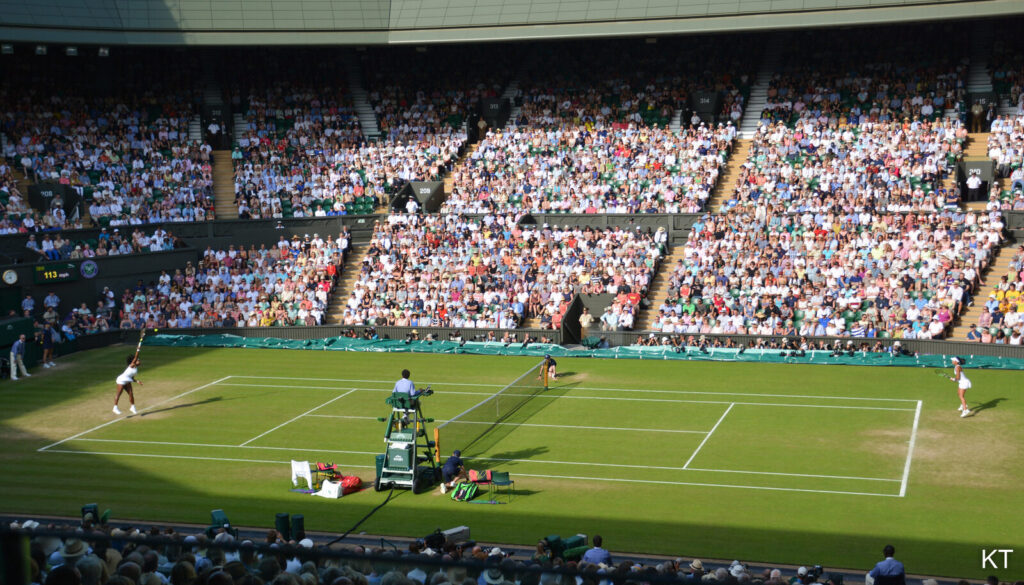
None of this changes what happens on court. A first-round loser still walks away with £80,000 for a single match, more than many club professionals earn in a season, while a player who reaches the final four pockets £900,000 regardless of what happens next. For the two players who lifted trophies on Centre Court this July, the £3.6 million check is really just confirmation of what the scoreboard already said.