Before officials in Nyon pull a single name from the pots on 27 August 2026, one number already dominates the room. Real Madrid’s tally of 15 European Cup and Champions League titles sits well clear of anyone else on the trophy list, a gap that has defined the competition for seven decades.
Milan is the closest pursuer, with seven titles to its name. Liverpool and Bayern Munich share third place, six European crowns apiece, while a step below them the chase for continental history gets crowded fast.
Real Madrid’s most recent addition to that pile came in 2023/24, a 2-0 win over Borussia Dortmund that closed out an unbeaten run through the entire campaign. No other club has climbed past ten titles; Real Madrid remains the only side in double figures north of that mark.
The club’s finals record underlines just how consistent that dominance has been. Real Madrid has reached 18 European Cup or Champions League finals since the tournament began in 1955, losing only three of them, in 1962, 1964 and 1981. Milan and Bayern Munich share second place in finals reached, with 11 each, ahead of Liverpool’s ten. Real Madrid’s run also includes a piece of history no one has matched since: the club won the first five editions of the competition in a row, from 1955/56 through 1959/60.
Barcelona sits at five titles, Ajax has four, and Manchester United and Inter Milan share three apiece. Chelsea, Benfica, Nottingham Forest, Juventus and Porto have each won twice, and thirteen different clubs have lifted the trophy exactly once.
Paris Saint-Germain arrives at this draw as the newest name at the top of the sport, having beaten Inter Milan in the 2024/25 final for its first European crown. The French club then defended that title in 2025/26, drawing 1-1 with Arsenal after normal time before winning 4-3 on penalties.
A New Format Feeding the Same Names
The draw itself has changed shape since the single-group era that built Real Madrid’s early lead. Thirty-six clubs are split into four pots of nine, and each team plays eight league-phase matches against eight different opponents, four at home and four away, with no club facing a rival from its own country. A dedicated Uefa software program still assigns those pairings once the balls are drawn.
The top eight finishers in the league phase advance directly to the round of 16, while clubs finishing between ninth and 24th enter a playoff round. Twenty-nine clubs qualify for the league phase automatically; the remaining seven places are decided through qualifying rounds that already began on 7 July 2026, ahead of the league phase kicking off on 8 September 2026.
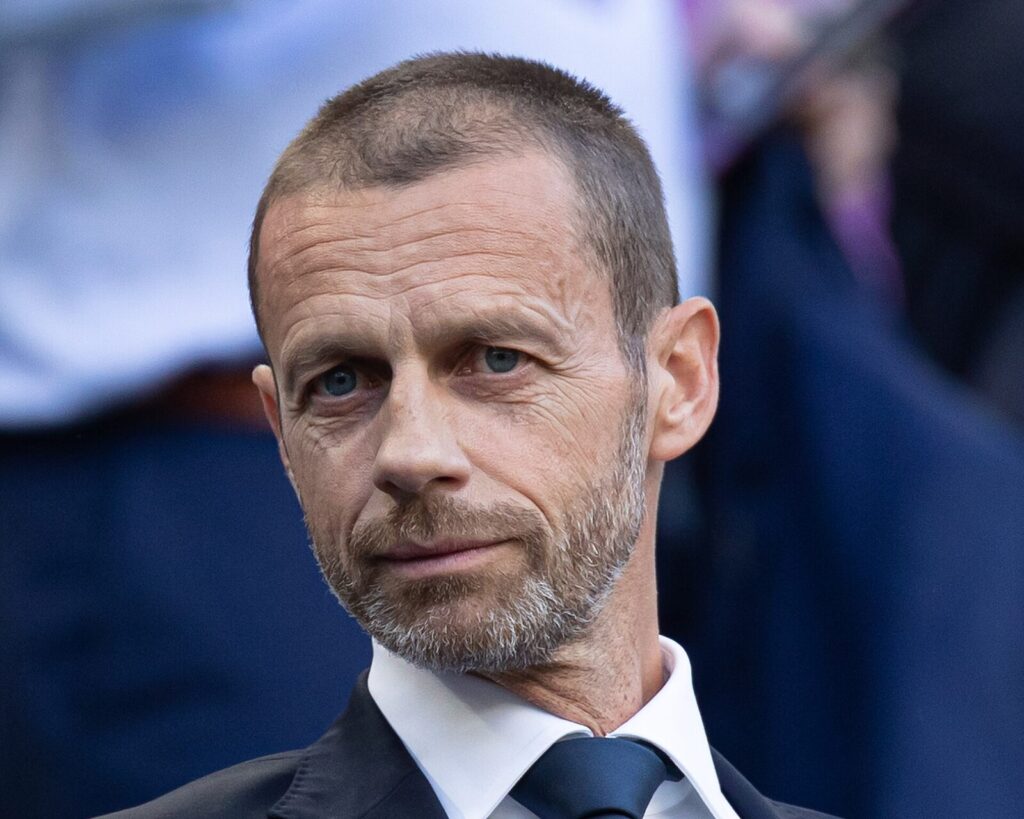
Uefa president Aleksander Čeferin has defended the overhaul since it arrived, telling Marca that “99% of people are happy, the ratings are excellent.”
Clubs chasing that history are also managing rosters differently than they did in Real Madrid’s early years, with release clauses built increasingly around continental qualification. Analysts studying why so few sides break into the group at the very top increasingly lean on models like expected goals to explain the gap, while the rivalries renewed every draw remain central to the tournament’s pull, according to Uefa’s official records.
The 2026-27 final is already locked into the calendar for 5 June 2027, at the Estadio Metropolitano in Madrid, which will host the match for the second time.