The Grimaldi Forum in Monaco filled with club executives and television cameras on Thursday, August 27, 2026, for the draw that decided the 2026-27 Champions League league phase. Six months of European soccer took shape in a little over an hour, and the pairings landed hardest on the four clubs most likely to be around in June: Manchester City, Arsenal, Liverpool and Paris Saint-Germain.
UEFA split the 36 teams into four pots of nine, seeded by coefficient, with the defending champion automatically installed at the top of Pot 1. Each club plays two opponents from every pot, one at home and one away, and no team can face a club from its own domestic federation. UEFA’s own draw coverage confirmed the pots before the balls were pulled, closing off any late reshuffling of the seeding.
PSG, the reigning champion, sat in Pot 1 alongside Bayern Munich, Real Madrid, Liverpool, Inter Milan, Manchester City, Arsenal, Barcelona and Atletico Madrid. That seeding put the holders on a path that includes Barcelona at home and a trip to Manchester City, in addition to matches against Roma and Villarreal pulled from the lower pots. Real Madrid’s own slate against fellow Pot 1 sides sends the club to Arsenal and brings Inter Milan to the Santiago Bernabeu, two fixtures that will carry real weight on the table well before Christmas.
A Rematch of 1999
Bayern Munich’s home date with Manchester United revives the 1998-99 Champions League final, a match United famously won after trailing late. Almost three decades on, the two clubs will share a league-phase pitch again, this time with no trophy attached to the night. Atletico Madrid, meanwhile, draws Liverpool away and hosts Bayern Munich, a pair of fixtures that will ask plenty of a squad already chasing points across four pots.
One collision the draw could not produce: Liverpool hosting Real Madrid at Anfield. The two sides already met there in each of the two previous seasons, and UEFA’s format bars a repeat of the same host in back-to-back editions. A game at the Santiago Bernabeu stays on the table, so Liverpool and Madrid have not been kept apart entirely, only steered away from a third straight night on Merseyside.
A Prize Away From the Pitch
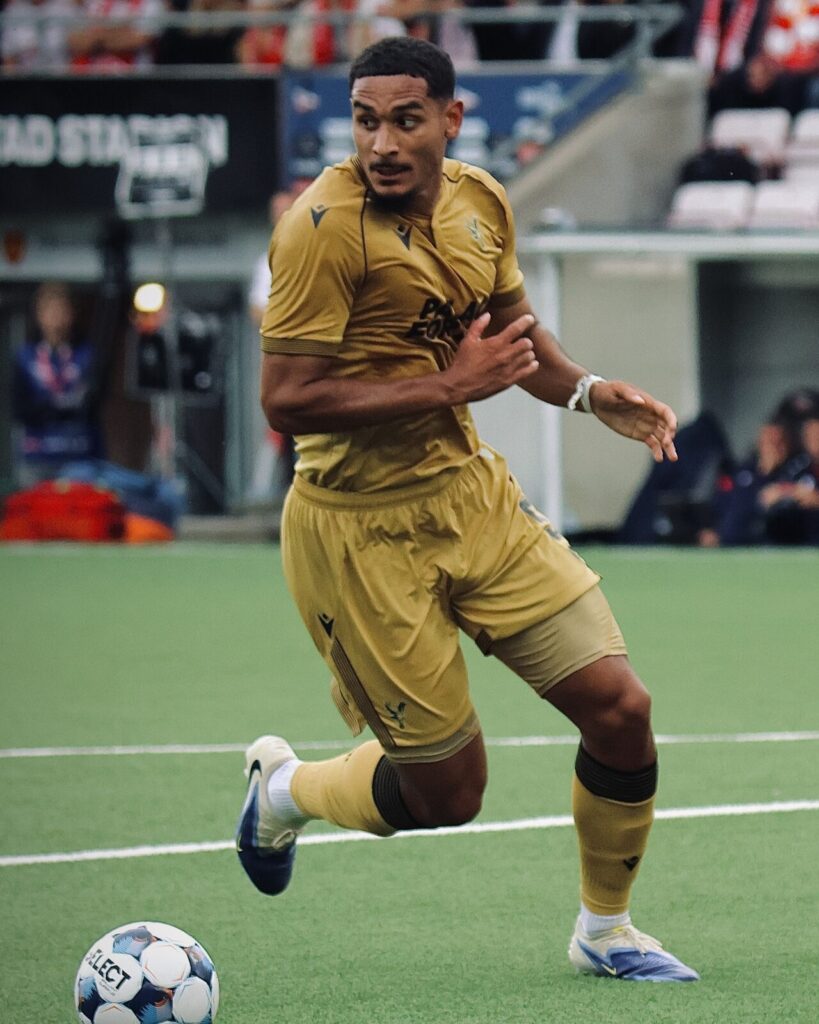
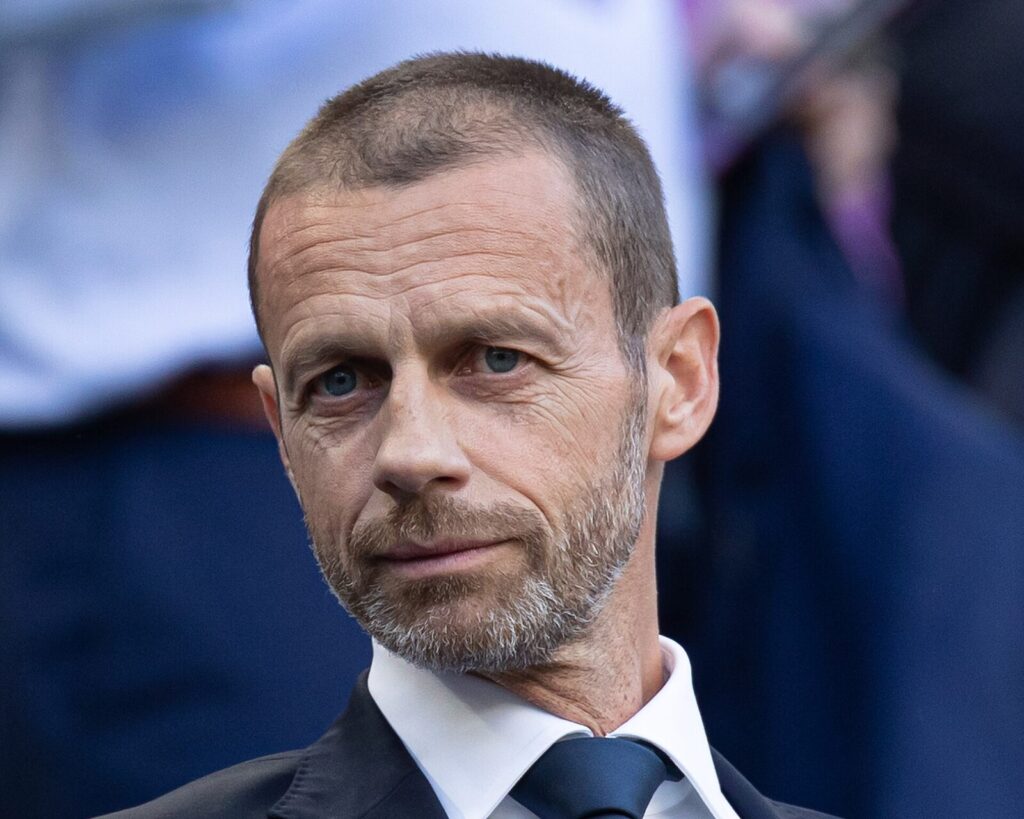
The ceremony also carried a moment removed from bracketology. UEFA presented Marquinhos with its inaugural Respect: Beyond the Game Award, honoring the defender’s gesture toward Gabriel Magalhaes in the moments after the 2025-26 final. UEFA president Aleksander Ceferin explained the choice in blunt terms.
Ceferin said Marquinhos had just won the biggest trophy in European club football, and that his first instinct was to cross the pitch and console his opponent at the hardest moment of his career, in comments UEFA published alongside the award.
David Villa and Thierry Henry worked the draw as ceremony ambassadors, pulling balls from the pots as the fixtures were read out in the Grimaldi Forum. Their presence gave the room the feel of a soccer reunion rather than a strict administrative exercise, even as the schedule being assembled will decide who plays on in the spring.
The rivalries dug up here, from Bayern-United to whatever United and City fans stir up along the way, sit inside a much older tradition of fan culture built around continental soccer’s biggest nights. None of that changes how the table gets settled, a process that will lean on the same coefficient math explained in UEFA’s data-driven approach to modern scouting and analysis.
The league phase itself runs from September 8, 2026, through January 27, 2027, across eight rounds, before the knockout bracket narrows the field toward a final set for June 5, 2027, at the Estadio Metropolitano in Madrid.