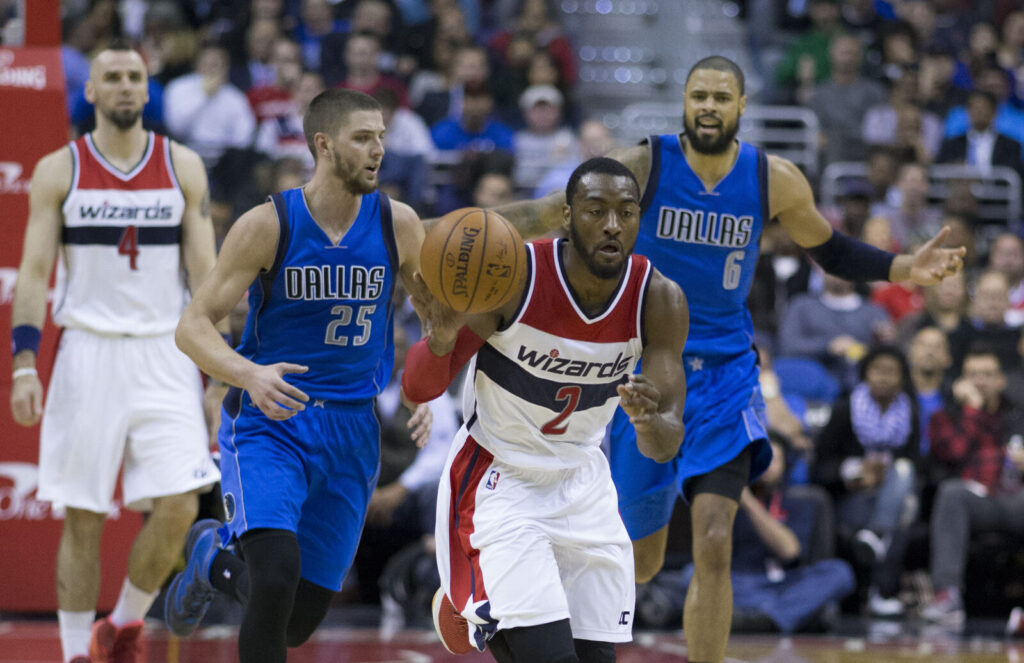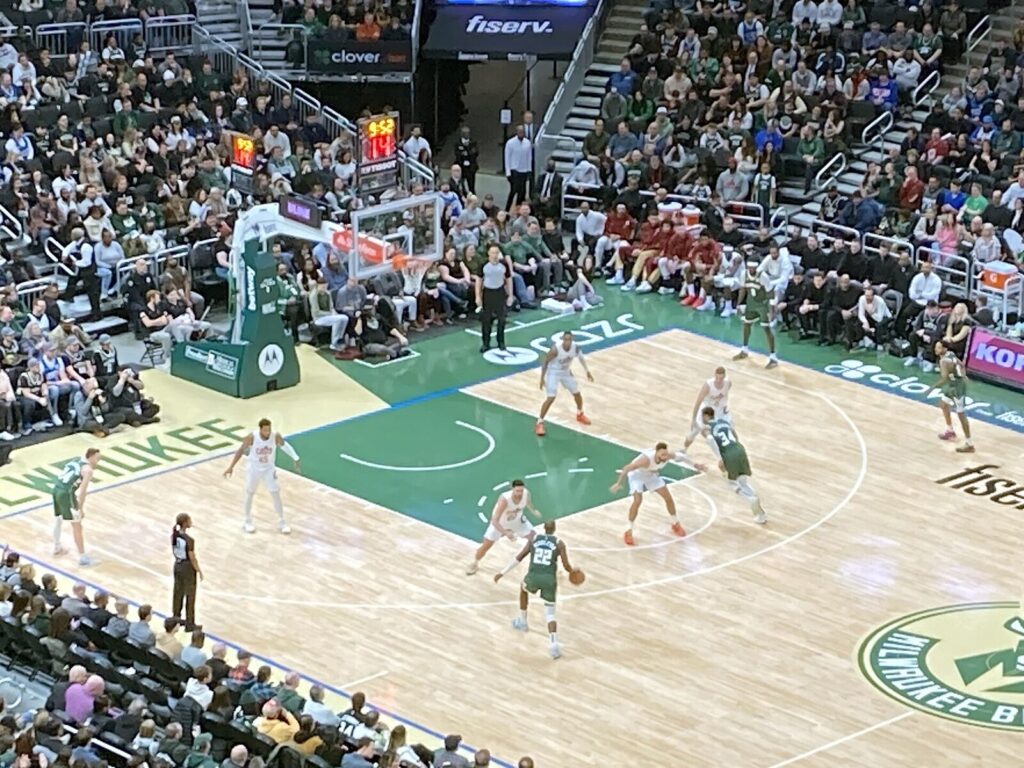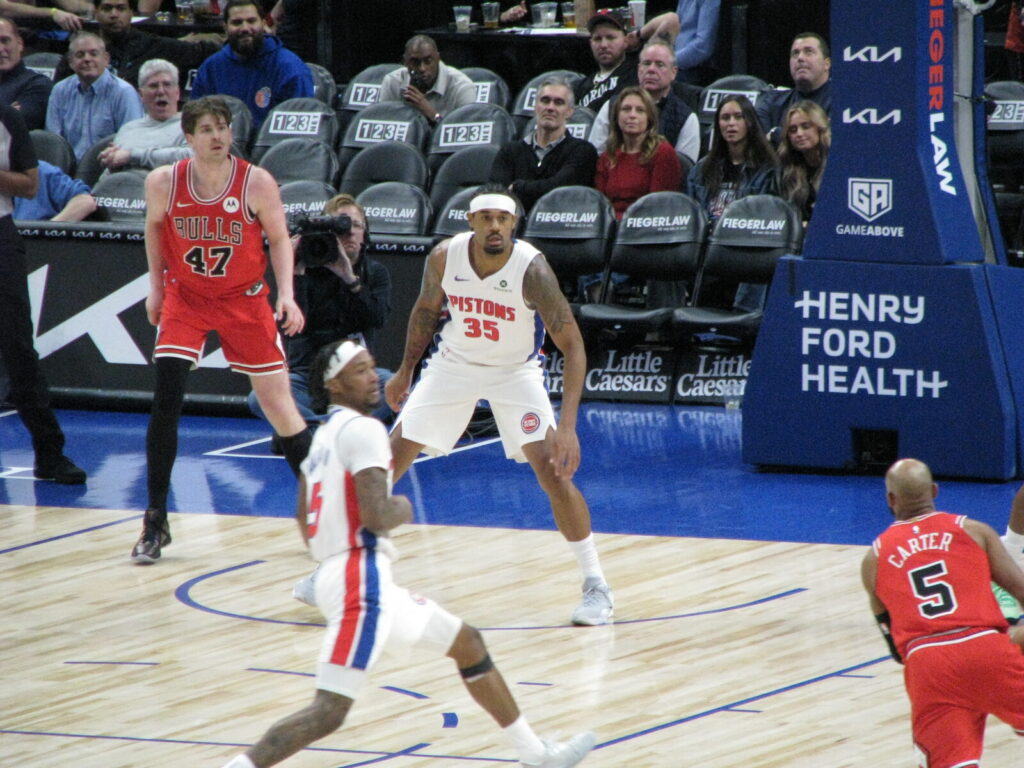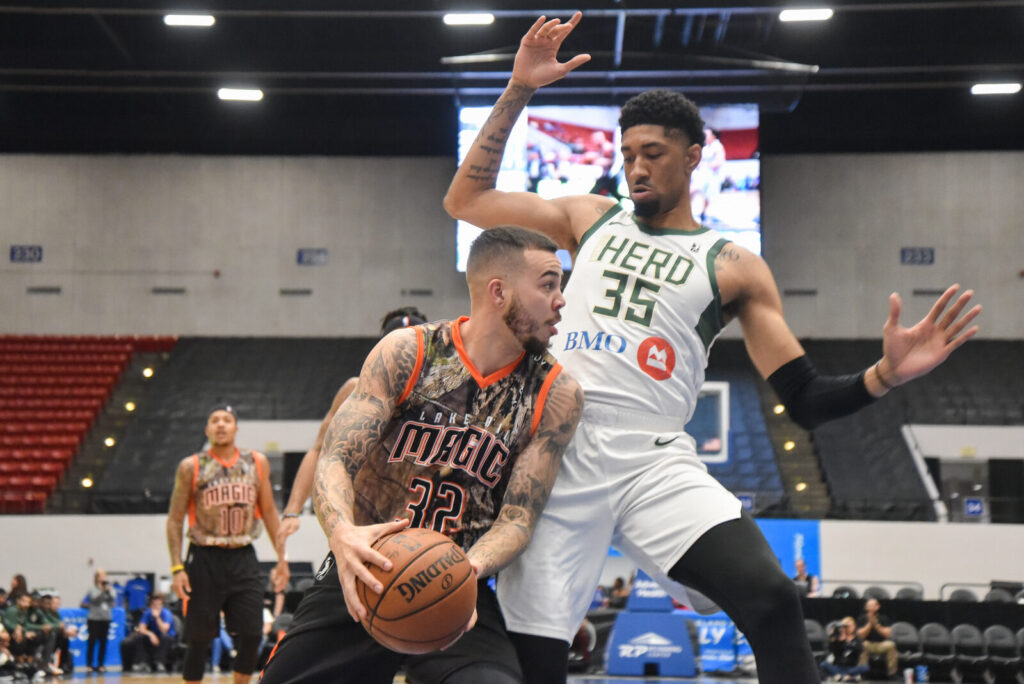
A two-way contract lets an NBA team carry a player who splits his season between the big club and its G League affiliate, collecting NBA paychecks and NBA practice reps without taking up one of the 15 standard roster spots. It is the league’s development pipeline, the mechanism teams use to stash young talent, injury fill-ins and undrafted prospects close by without touching the salary cap. If you have ever wondered why a rookie keeps bouncing between the NBA roster and the minor-league affiliate, this is the answer.
Who Qualifies for a Two-Way Deal
The eligibility rule sounds simple. A player with fewer than four years of NBA service can sign a two-way contract. Because service time locks in on June 30 of each year, a player who has barely played across three prior seasons can still qualify well into what looks like his fourth year. That quirk is why the two-way pool skews toward rookies, second-year players and fringe veterans working back from injury, rather than established rotation guys.
Roster Spots and Game Limits
Since the 2023 collective bargaining agreement, every team can carry up to three players on two-way contracts, up from two under the previous rules. That comes on top of the standard 15-man roster, so a franchise can have as many as 18 players under contract at once. Multiply three by 30 teams and the league is carrying roughly 90 two-way slots at any given time, a bigger entry point into professional basketball than it gets credit for.
Those roster spots come with strings attached. A two-way player can be active for a maximum of 50 of his team’s 82 regular-season games, prorated if he signs after opening night, and he is not eligible for the playoffs. Per the G League’s own rules page, a team has to convert him to a standard contract before he can play in the postseason or stick around past that 50-game cap. Plenty of this summer’s two-way names first got noticed in July, the same window when the Summer League playoff bracket sorts out which prospects earn another look from an NBA front office.
The Money Behind Two-Way Deals
Two-way salaries are set at half of that year’s rookie minimum, and none of it counts against a team’s salary cap. For 2025-26 that figure was $636,435. It climbs with the cap for 2026-27, landing at $678,882. Teams can guarantee part of that money up front, but only up to a capped protection amount, $85,300 for 2025-26 and roughly $92,000 heading into 2026-27. Anything beyond that has to be earned by sticking on the roster all season.
The Path to a Standard Contract
Conversion can happen at any point in the season, not on some fixed calendar date. A team signs its two-way player to a standard contract, he moves onto the 15-man roster, he becomes playoff-eligible, and he gets a raise, at minimum up to the league’s rookie or veteran floor for his experience level (sometimes far more if a team dips into cap room or an exception to lock him in for multiple years). Last season alone, at least 32 players earned that promotion before the year was out, more than a third of the roughly 90 two-way slots around the league. These deals function as a real audition, not a dead end.
Some two-way success stories eventually turn into franchise cornerstones, the extreme end of the same ladder that produced deals like Victor Wembanyama’s $252 million extension, just starting several rungs lower. Others end up shaping front-office decisions the way this summer’s player-option calls did, a reminder that a minimum salary today can become real leverage a few years down the road.
This summer’s tracker shows the range of players chasing that jump. Hunter Dickinson re-signed with New Orleans on a two-way deal after a rookie year spent shuttling between the Pelicans and their G League club. Caleb Love left Portland for a two-way contract with Philadelphia, while Denver kept UCLA product KJ Simpson and Oklahoma City brought back Brooks Barnhizer on the same type of deal. None of them is guaranteed a long NBA career because of it, but each now has a season to prove he belongs on one of the other 15 spots.