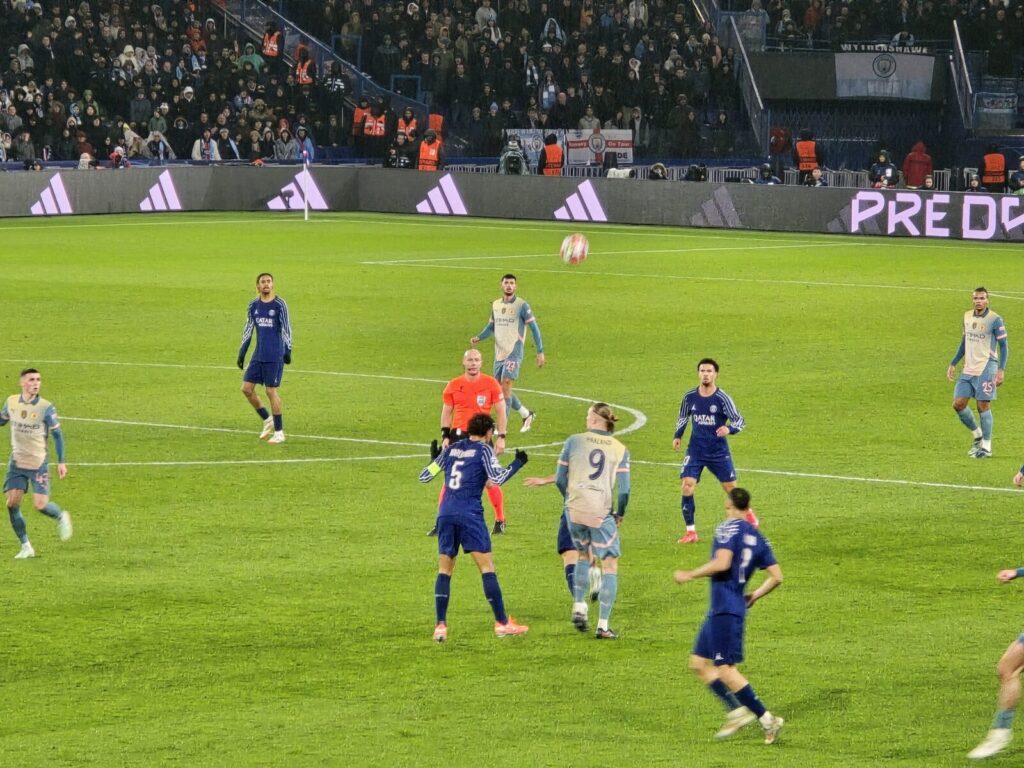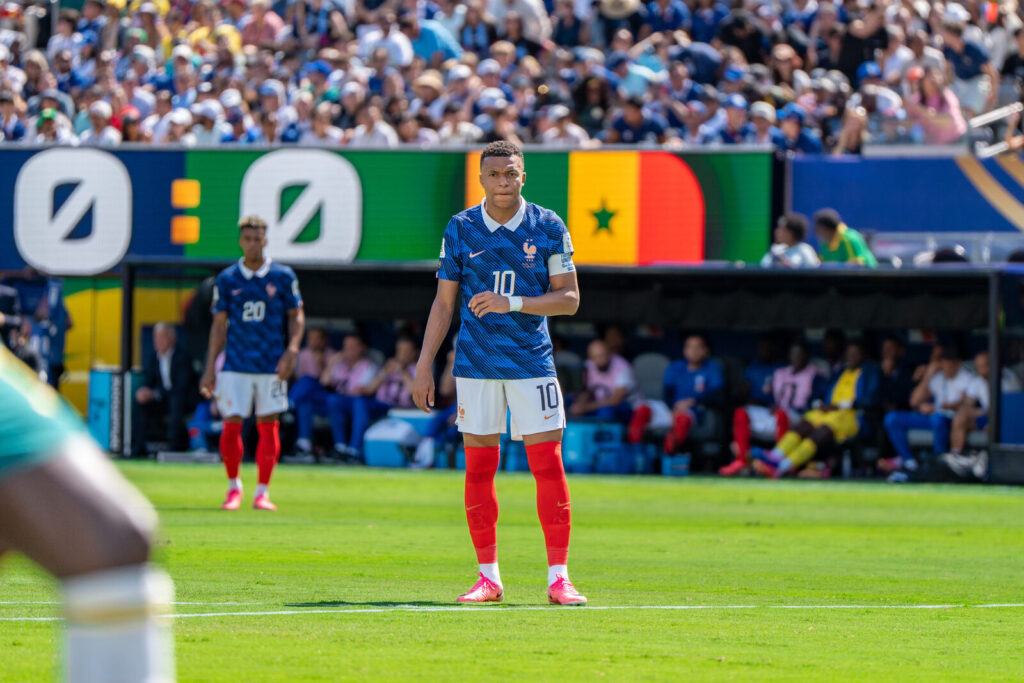
When UEFA’s draw wrapped up in Monaco on August 27, the numbers behind it told a sharper story than the pots themselves. According to the Opta Power Rating, Lens received the toughest run of opponents in the entire league phase, with a combined average of 92.1 across its eight games, statistically edging out Atletico Madrid’s 92.0.
Those figures sit on top of a format that has now settled into its second season. Thirty-six clubs share a single table rather than separate groups, each playing eight matches, four at home and four away, against two opponents drawn from each of four pots of nine teams, with the draw built to avoid pairing clubs from the same country.
UEFA president Aleksander Ceferin has framed the redesign as a fairness exercise. “The new formats will improve competitive balance, reduce the number of dead matches, offer a more appealing and dynamic competition to fans, while ensuring a fair qualification chance for all teams,” he said.
The league phase schedule confirmed by UEFA runs from September 8-9, 2026, through January 27, 2027, across eight rounds. The top eight finishers advance straight to the round of 16, clubs finishing ninth through 24th enter a knockout playoff, and anything from 25th down is eliminated.
The Real Madrid Exception
Among the traditional heavyweights, Real Madrid drew by far the friendliest set of opponents: Inter at home, Arsenal away, Roma away, RB Leipzig at home, PSV at home, Shakhtar Donetsk away, Lask at home and AEK Athens away. Trivela described the bulk of that list as teams in reconstruction, which is precisely why the club’s path was judged the most favorable of any contender.
Liverpool landed something close to it. Atletico Madrid at home and Inter away were the sternest tests from the top pot, paired with Porto at home and Fenerbahce away rounding out a schedule that looked considerably lighter than most of its title rivals.
The Hard Roads
Arsenal did not get the same mercy. The Gunners were paired with Bayern Munich, Borussia Dortmund, Real Madrid and Napoli, a run that reads like a knockout bracket compressed into the league phase itself.
Barcelona’s away fixtures alone will test their travel legs, with Galatasaray, Sporting and Paris Saint-Germain all on the road. Atletico Madrid, already carrying the second-hardest schedule by the numbers, must also face Bayern at home, Liverpool away and Manchester United at home. Manchester City’s draw brought PSG, Barcelona and Porto into the mix.
Aston Villa’s group is arguably tougher still on paper. The club drew Barcelona and PSG from the top pot, then added Club Brugge and Borussia Dortmund, the statistically hardest pairing available out of the second pot.
Not every club is bracing for a grind. Inter Milan quietly landed the second-easiest schedule in the entire competition, with an Opta Power Rating average of 89.5 among its opponents, a contrast that stands out against Atletico’s brutal draw despite both clubs sharing a continent and, in Liverpool’s case, a common opponent.
Stuttgart, meanwhile, holds the softest schedule of all 36 clubs at 88.9. Among the English sides specifically, Manchester City carries the heaviest load at 91.7 while Liverpool sits at the opposite end domestically at 90.0, numbers that will matter more than reputation once the fixtures actually kick off. Readers weighing how much those underlying metrics actually predict outcomes may find it useful background alongside our explainer on what expected goals measures in soccer, another case where a single number reshapes how a season gets read before a ball is kicked. The broader stakes of these individual results also feed into the kind of supporter intensity covered in our look at the fan culture behind Europe’s biggest rivalries.
Whatever shape each club’s run takes between September and January, the destination is fixed. The final is scheduled for June 5, 2027, at the Metropolitano in Madrid.