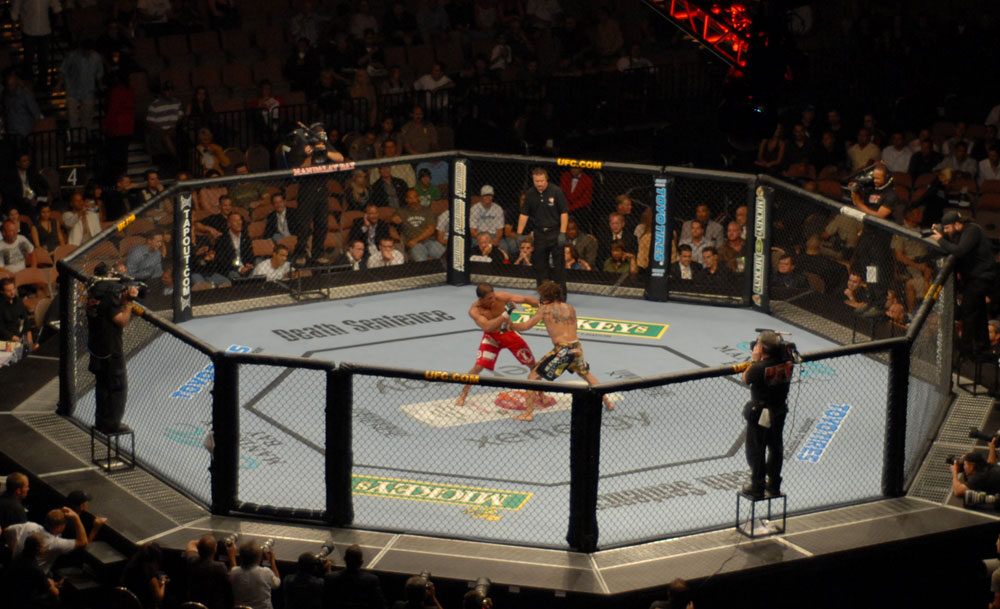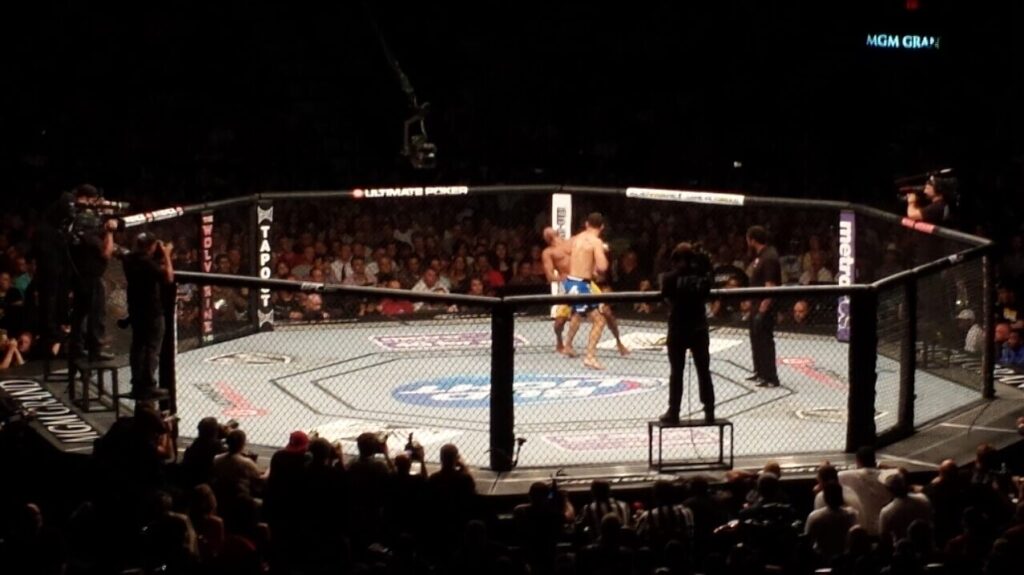
Dricus du Plessis has spent much of 2026 near the top of the UFC middleweight list, and by Saturday night at Paycom Center in Oklahoma City he puts that spot to the test against a fighter who used to hold a belt himself. Kamaru Usman is jumping up from welterweight to face him, and the matchup is a useful real-world look at a ranking system that only went live a few weeks ago.
For thirteen years, the numbers next to a fighter’s name came from people, not math. A rotating panel of 22 media outlets submitted a top 15 for every division each week, plus a pound-for-pound list that tried to rank the best fighters regardless of weight. Those ballots were averaged into the official chart at ufc.com/rankings. Reasonable people disagreed constantly, which is exactly why the lists generated so much argument.
What actually changed on June 22
That changed this summer. On June 22, 2026, the UFC and Meta rolled out the Meta UFC Rankings, an algorithmic system built to replace the panel almost entirely. Rather than journalists filling out ballots, the new model runs fight results through a data-driven formula that draws on statistical modeling and machine learning, according to the promotion’s own announcement. Media voting still exists in a reduced, transitional role, but it no longer drives the published lists the way it did from 2013 through this spring.
How the math treats a win
The formula does not just count wins and losses. It weighs who a fighter beat, since a victory over a ranked contender counts for more than one over an unranked name. It also cares about how a fight ended, so a finish against a tough opponent outweighs a split decision over someone outside the top 15. Recent activity matters too. A fighter who has stayed busy climbs faster than one who has been sidelined, and long layoffs or wins that have aged out of relevance get discounted through a built-in decay factor. Weight-class context is folded in as well, since divisions do not all produce finishes or ranked wins at the same rate.
One casualty of the switch is the pound-for-pound list. The old panel used it to compare fighters across weight classes, but the new system dropped that category entirely, since a formula built around division-specific opponent quality does not translate cleanly across different weight classes.
Rankings still are not the whole story
A high ranking is leverage. It is not a guarantee of a title shot. Matchmakers still weigh a win streak, how a fighter has looked inside the cage, and whether a fight will sell tickets or move a pay-per-view number. Our earlier look at how the contender queue works still holds up on that front, even though the voting mechanics behind it have since been replaced.
Saturday’s card puts that dynamic on display. Du Plessis sits at number two in the middleweight rankings behind Khamzat Chimaev, chasing champion Sean Strickland, while Usman is ranked ninth in his home welterweight division under champion Islam Makhachev. He is not ranked at middleweight at all, since he has never competed there before, yet the fight was still built as a de facto number-one contender bout because of who Usman is and what beating him would mean. That is the algorithm’s opponent-quality math running into the sport’s older logic about star power and timing, playing out in the same booking. Full context on the matchup and betting lines is in our Oklahoma City odds preview.
Fighters get scored differently once the horn sounds, and that judging process is a separate system from the rankings entirely. For how judges arrive at fight-night scorecards, see our breakdown of the 10-point must system.
The Meta model is still young, and Saturday is one of its first real stress tests with a name as recognizable as Usman moving into a division cold. Whatever the outcome, the loser will not simply vanish from the list the way an unpopular panel vote might have faded from memory. The algorithm will just recalculate, using the actual data from the cage instead of anyone’s opinion of it.