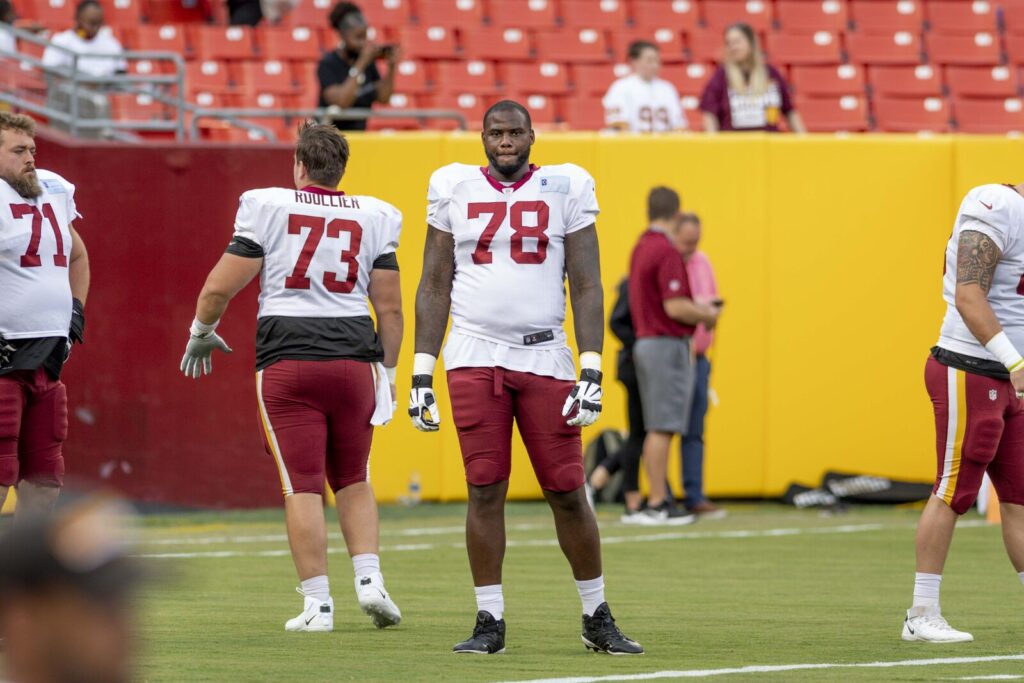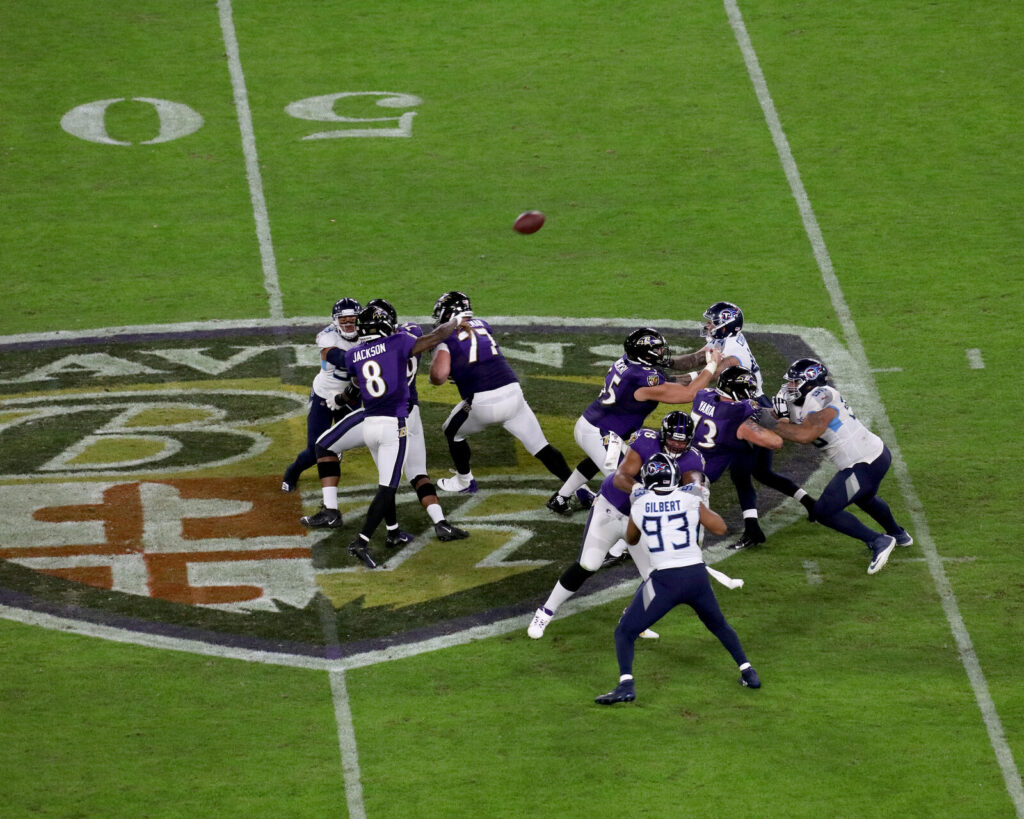
Before a Week 1 kickoff, an NFL team can move a name from the practice squad to the active list for one game only, and that player takes the field without ever having signed a new contract. That maneuver is governed by a rule buried in the NFL’s contract language: a practice squad player can be elevated to the game-day roster for a maximum of three regular-season games in the same league year before the club has to make a harder decision about his future. It is the mechanism front offices lean on every autumn to patch injuries, stash depth and audition young talent without burning a roster spot they might need later. The elevation itself is tightly bounded. A club may bring up no more than two practice squad players for any single regular-season or playoff game without terminating their practice squad contracts, and doing so temporarily swells the game-day roster to 54 or 55 players for that contest. Once the final whistle blows, those elevated players simply revert to the practice squad, and the team does not have to run them through waivers to make that happen, a detail that keeps the whole process quiet and reversible from week to week.
Why the Limit Exists
The three-elevation ceiling only applies during the regular season; once a team reaches the playoffs, that cap disappears entirely and elevations become unlimited. After a player’s third regular-season elevation, any further attempt to use him in a game forces the team to add him outright to the 53-man active roster. The practice squad itself has grown over time: the unit expanded from 10 to 16 players during the pandemic-altered 2020 season, and that larger size has been kept in place permanently in the years since.
That 16-player practice squad remains the standard heading into the current season, though a club can carry a 17th player if that spot belongs to a participant in the NFL’s International Pathway Program. Of the 16 standard spots, at least 10 must go to players in their first or second professional season, while as many as six can be filled by veterans with no cap on their experience, a split that keeps the unit weighted toward development even as it lets teams stash a savvy backup or two.
None of this is unpaid apprenticeship. Practice squad salaries are scheduled by experience through 2030: players with two years or less of service earned roughly $13,000 a week in 2025, a figure set to climb to $16,750 by 2030, while veterans with more than two years in the league made between $17,500 and $22,000 weekly in 2025, rising to a range of $21,750 to $26,250 by the end of the decade. Those numbers explain why the elevation slot has become such a valued in-season tool for both players trying to stick around and teams trying to build depth on a budget, a dynamic that runs alongside broader shifts in how clubs allocate resources, from stadium financing to the data-driven play-calling decisions coaches now lean on.
Kansas City general manager Brett Veach has described the arrangement in blunt terms: “It’s kind of like your mini minor-league system, live and in real time.” For a front office watching a practice squad receiver or a depth lineman get elevated for the third time in October, that description captures exactly what the rule is built to do, turn a temporary roster patch into a live audition for a permanent job.