The 2025-26 NBA season has delivered one of the most compelling closing acts in recent memory. As of mid-June, the New York Knicks lead the San Antonio Spurs 3-1 in an NBA Finals that is a rematch of the 1999 championship series, and Game 4 is already being discussed as one of the great Finals games of the modern era after OG Anunoby’s putback gave New York one of the latest game-winners in Finals play-by-play history. Whether the Knicks close it out or the Spurs force the series to a potential Game 7 on June 19, this season has reshaped the league’s hierarchy, and the storylines it leaves behind will dominate the summer.
Start with the team chasing a long-awaited title. The Knicks have not won a championship since 1973, and a franchise that spent decades as a punchline is now one win from the top of the sport. On the other side, San Antonio’s run is arguably the bigger long-term story. The Spurs compiled a 62-20 record, claimed the No. 2 seed in the Western Conference, and reached the Finals in Victor Wembanyama’s first postseason appearance, with the French centre named Western Conference Finals MVP along the way. Win or lose, the Spurs look built to contend for years.
The award winners who defined the season
The individual honours tell their own story. Shai Gilgeous-Alexander won his second consecutive MVP award, taking 83 first-place votes after averaging 31.1 points per game and leading the Oklahoma City Thunder, the defending champions, to 64 wins. He became just the 14th player to win the award in back-to-back seasons, and along the way he broke a record that had stood since 1963, surpassing Wilt Chamberlain’s mark for consecutive 20-point games and extending his own streak to 140 by season’s end.
Wembanyama, meanwhile, became the youngest Defensive Player of the Year in NBA history at 22, and the first unanimous winner of the award, after leading the league with 3.1 blocks per game. And in Dallas, Cooper Flagg capped a remarkable debut campaign by winning Rookie of the Year with averages of 21.0 points, 6.7 rebounds and 4.5 assists, edging Kon Knueppel and earning a unanimous All-Rookie First Team selection. Three different generational narratives, all peaking at once, is part of why the league feels unusually rich in storylines right now. It also reflects a broader pattern explored in the rise of international stars in the NBA, with Gilgeous-Alexander (Canada) and Wembanyama (France) at the centre of the season.
A draft class with star power arrives June 23-24
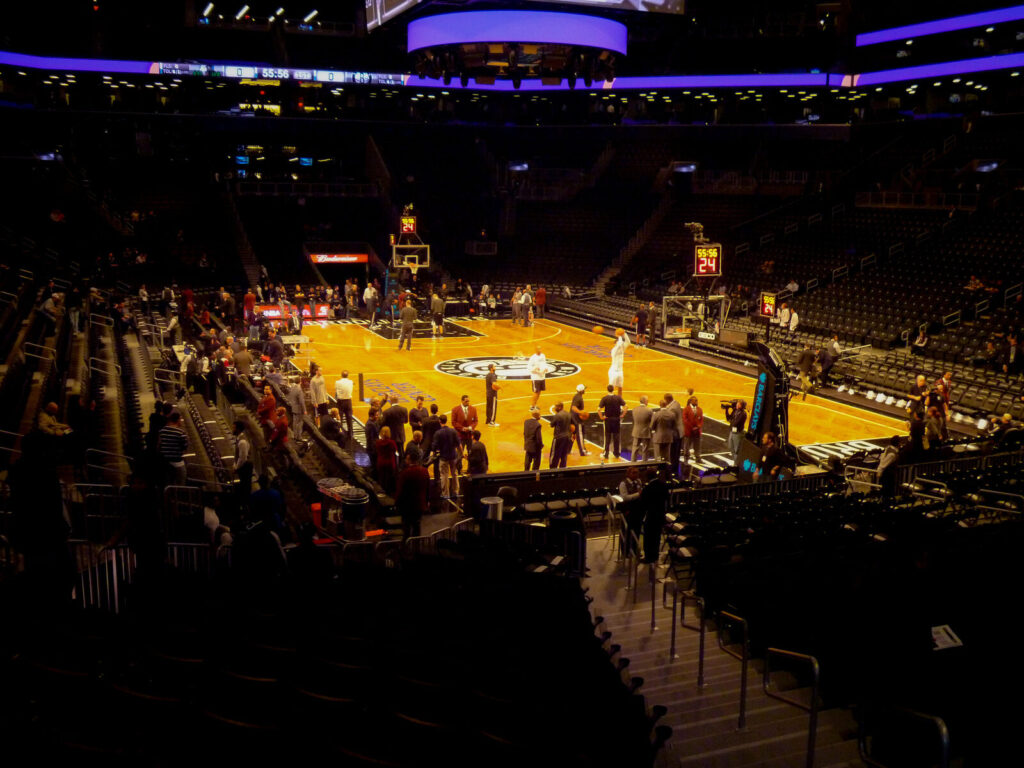
Almost as soon as the Finals end, attention shifts to Brooklyn, where the 2026 NBA Draft takes place on June 23-24 at Barclays Center. This class is regarded as deep in NBA-ready talent, headlined by prospects such as Darryn Peterson, Cameron Boozer and Caleb Wilson. After watching Flagg transform Dallas’s trajectory in a single season, every lottery team understands what a franchise-altering pick can mean, and the jockeying around the top of the board will be intense.
For fans trying to keep track of a packed summer calendar of draft nights, free agency windows and summer league, it helps to know how to read a sports schedule like a pro, because the NBA offseason has become a season of its own.
Free agency: ageing legends and restless superstars
The biggest offseason questions involve the league’s most famous names. The futures of LeBron James, Giannis Antetokounmpo, Nikola Jokic and Stephen Curry are all subjects of intense speculation, with reporting around the league suggesting that teams including the Nets, Pelicans, Rockets, Warriors and Bucks could be one move away from significantly reshaping their rosters. Antetokounmpo’s situation in Milwaukee is the most closely watched: any decision he makes would reverberate across both conferences.
There is also the question of the wounded contenders. The Boston Celtics and Indiana Pacers both saw their seasons derailed by injuries to franchise players, and whether they can climb back to genuine contention is one of the defining uncertainties of the Eastern Conference. Roster-building in that context is increasingly an exercise in projection and modelling, part of the wider trend covered in our look at how data and analytics are changing modern sport.
The league’s health and availability debate rolls on
Underneath the on-court drama, the structural debates continue. The league’s rules around star availability, award eligibility and rest remain a live argument among players, executives and broadcasters, a topic we examine in depth in how player load management became a league-wide debate. With media partners paying enormous sums for marquee matchups, the tension between performance science and the entertainment product is not going away.
Nor is the question of style. The way teams generate shots has changed dramatically over the past decade, and even prominent executives now openly question whether the maths-driven approach has gone too far, a debate unpacked in how analytics changed shot selection in basketball.
What makes this moment unusual is how many of these threads converge at once: a possible first Knicks title in more than half a century, a 22-year-old defensive force dragging San Antonio back to relevance, a two-time MVP anchoring a budding Oklahoma City era, a loaded draft, and a free agency period featuring some of the greatest players of all time at career crossroads. Whatever happens between now and opening night, the new season will begin with more genuinely open questions than the NBA has had in years. That, for fans, is the best storyline of all.