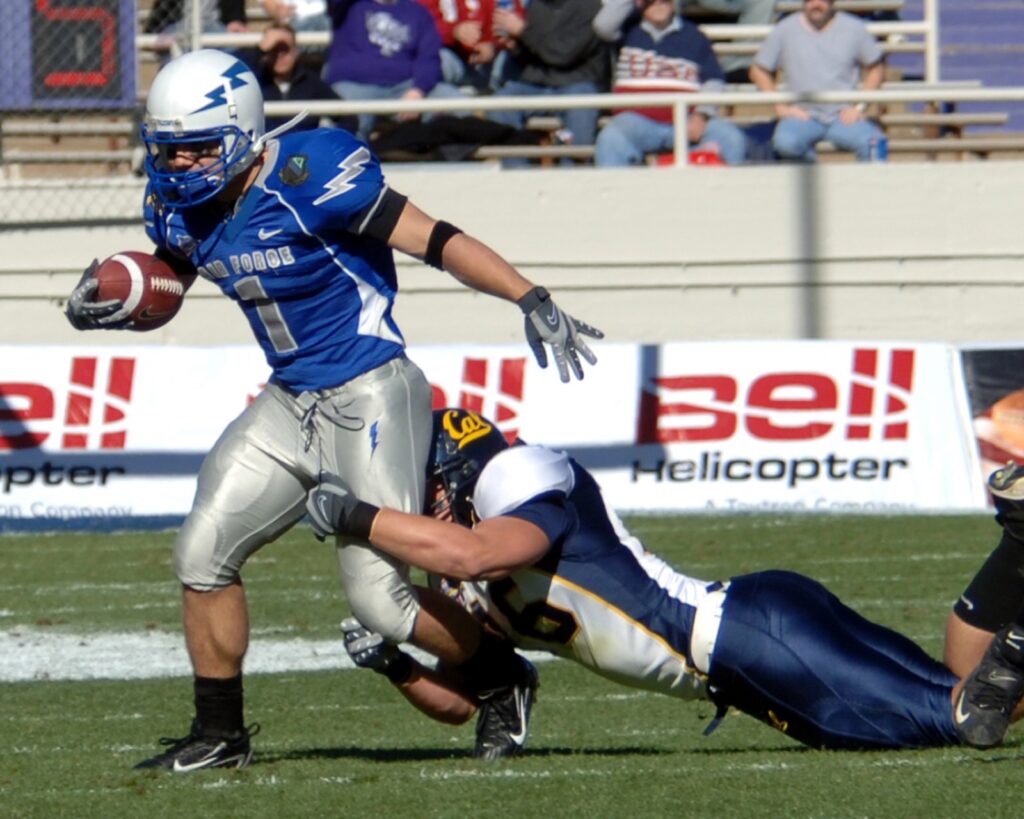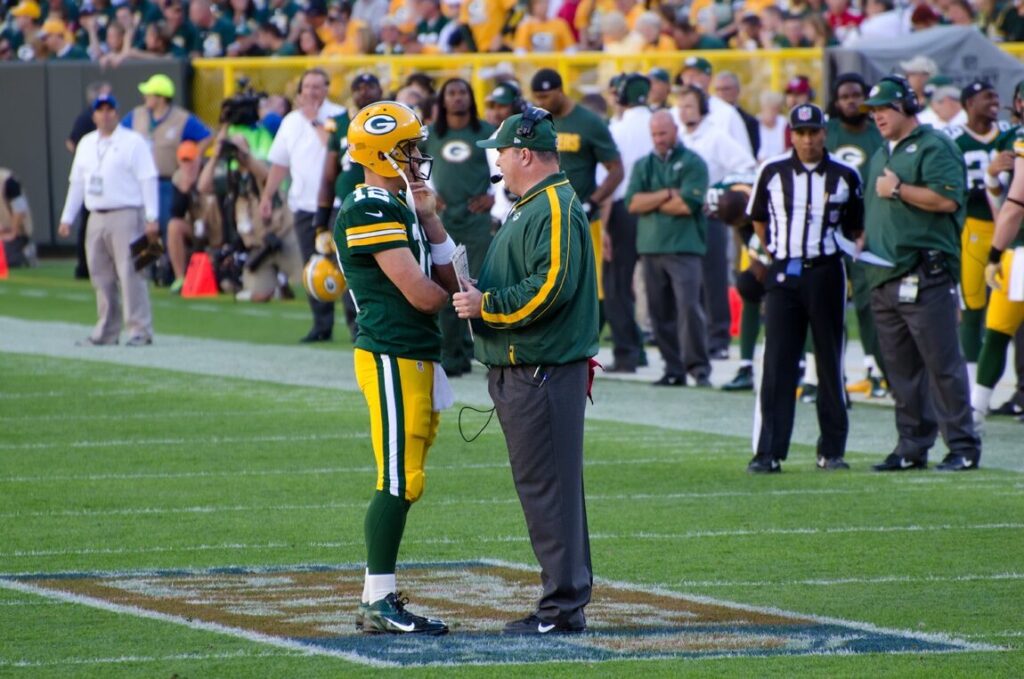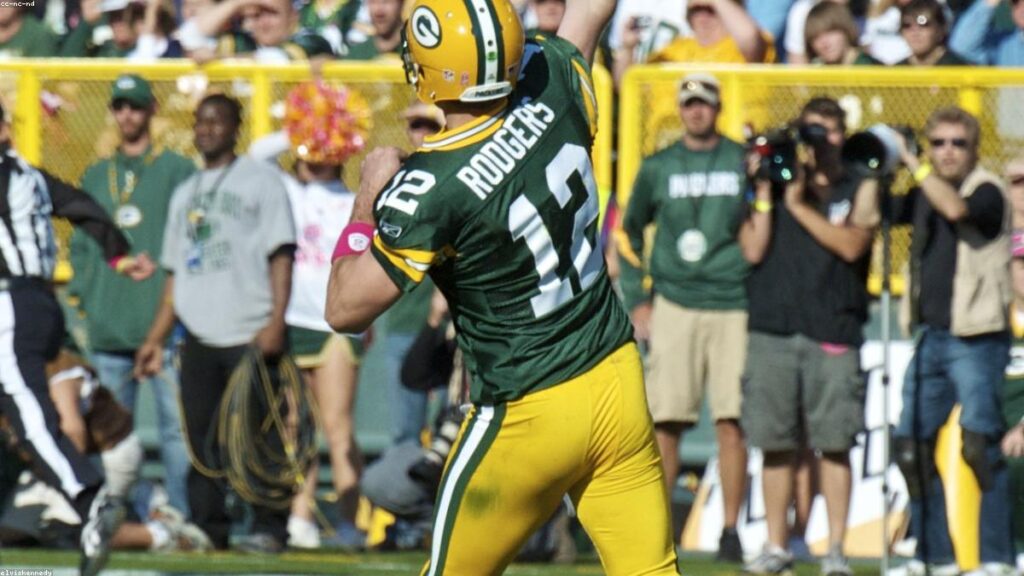
There was a time when quarterback development followed a settled script: sit behind a veteran, learn the playbook, take over in year three. That script has been torn up. Today’s first-round quarterbacks typically start within weeks of being drafted, arrive with thousands of competitive throws already analysed on video, and have often worked with private coaches since their early teens. The entire production line of the position has been rebuilt.
The private coaching industry is the least visible but perhaps most influential change. Specialist throwing coaches, biomechanics analysts and dedicated quarterback academies now shape prospects long before college programmes get involved. Mechanics that previous generations corrected at twenty-five are now refined at fifteen, which is one reason rookie passers look more polished than their predecessors ever did.
College football’s offensive evolution cuts both ways. Spread systems give young quarterbacks enormous experience making quick decisions against light boxes, but they can leave gaps in the skills the NFL still demands: operating under centre, manipulating safeties with their eyes, and processing full-field progressions. The best NFL coaching staffs no longer complain about these gaps; they build bridge schemes that meet rookies where they are.
Team behaviour has adapted too. Organisations increasingly tailor their entire offensive identity to a young quarterback’s college strengths in year one, then expand the system gradually. The franchises that have developed quarterbacks most successfully in recent years share a common trait: continuity of play-caller across the player’s first three seasons, a luxury that impatient ownership groups rarely allow.
The economics drive everything underneath. A quarterback on a rookie contract is the single most valuable asset in the sport, allowing a franchise to spend aggressively elsewhere on the roster. That four-year window explains both the urgency to start rookies immediately and the brutal speed with which teams move on when development stalls. Patience is no longer a virtue in the NFL; it is a calculated expense.
What has not changed is the rarity of the finished article. For all the science and investment, the league still produces only a handful of genuinely elite quarterbacks per generation. The modern system gets prospects to competence faster than ever, but greatness remains stubbornly resistant to manufacture.